Garden Waste Clearance Accessibility
Accessible Garden Clearance Policy

Garden Clearance Accessibility Statement

Photo illustrating garden clearance team at work near trimmed hedges and piled green waste This Accessibility Statement explains how our garden clearance services and related web content meet accessibility standards. We aim to make information about garden clearance, garden waste removal and tidy-up services perceivable, operable, understandable and robust for as many people as possible. Our approach is guided by WCAG 2.1 AA principles and practical accessibility measures that support independent use.

We design content for clear navigation when someone is arranging a garden tidy-up or booking garden rubbish removal. Our pages include semantic headings, clear link text and a consistent layout to reduce cognitive load. Where appropriate, we use high contrast color combinations and scalable text so details of garden clearance options remain legible for users with low vision.
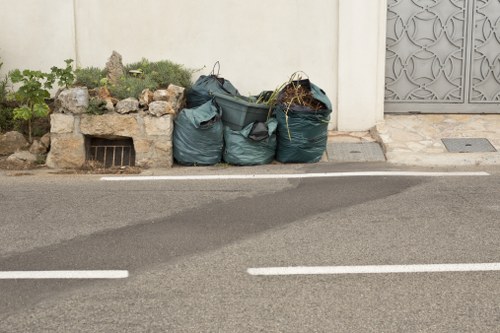
Three large dark green refuse sacks filled with mixed garden and household waste are placed on the curbside along a paved street, adjacent to a white wall with a small garden bed featuring rocks and green plants. The sacks, made of woven plastic material, are slightly bulging and tied at the top, indicating they are ready for collection. Behind the sacks, the garden bed contains a mix of small rocks, soil, and green foliage, with some plants extending slightly over the edge. To the right, a decorative metal gate with geometric patterns is partially visible, leading to a property entrance. The street surface in the foreground shows asphalt with painted white lane markings, and the overall scene suggests a typical urban or suburban residential area, consistent with local rubbish removal practices. The lighting appears natural, possibly on a cloudy day, with even illumination across all elements. As part of Garden Clearance’s rubbish services in the area, this image depicts the typical waste presentation for curbside collection before scheduled rubbish removal. For people using assistive technologies, we provide ARIA landmarks and descriptive labels so screen-reading software can convey the sequence of information about garden clearance plans, waste segregation and safety notes. We regularly test with popular screen readers and monitor for changes that affect accessible garden clearance content.

Keyboard accessibility is essential for customers who cannot use a mouse. All interactive elements related to garden clearance booking and service descriptions are reachable and operable using keyboard-only navigation. Focus indicators are visible and meaningful; pressing Tab and Shift+Tab follows a logical order through forms and action buttons.

How we support screen-reader users and keyboard navigation

A smiling young couple standing indoors in a room with wooden furniture and cream-colored curtains, each holding a plastic recycling bin filled with glass bottles and jars. The woman, on the left, has dark hair tied back and is wearing a light-colored cardigan over a grey top, with her left arm around the man's shoulders. The green bin she holds contains transparent and slightly tinted glass bottles. The man, on the right, has dark curly hair and a beard, wearing a light grey shirt, and is holding a blue recycling bin filled with similar glass bottles and jars. In front of him is a blue cylindrical container with additional green glass bottles. The background includes a wooden cabinet and a woven basket on top. The scene illustrates a household recycling activity, consistent with waste collection services provided by Garden Clearance in local towns and postcode areas. We include live region notifications for dynamic updates such as booking confirmations and status changes during a garden clearance appointment. Where images illustrate garden waste types or clearance stages, we provide text alternatives that convey the functional purpose of the image rather than decorative detail.

Key features include:

  • Semantic HTML to help assistive technologies interpret content about garden clearance services.
  • Keyboard operability for all interactive controls and forms related to scheduling and service details.
  • Clear and concise language to describe what to expect from garden waste collection and site safety.

We strive to meet WCAG 2.1 AA success criteria across text, images, video and interactive elements. That includes sufficient contrast ratios, resizable text up to 200% without loss of content or functionality, and captions or transcripts for time-based media when used to explain garden clearance processes.

Committed practices and testing

Four young adults standing outdoors in front of a modern building, each wearing yellow rubber gloves and holding black rubbish bags filled with debris. The group appears cheerful and is dressed casually in shirts and denim, with two women in white tops and denim, and two men in patterned and solid shirts. The scene suggests a community or volunteer cleanup effort, reflecting environmental awareness and waste management practices. The background features a wooden panel and a paved walkway, typical of a residential or commercial area, possibly within a town in the UK. The lighting indicates daytime with natural sunlight illuminating their faces and the surroundings. This image exemplifies rubbish collection activities carried out by Garden Clearance, a professional waste removal service, supporting the importance of proper rubbish disposal and local environmental initiatives. Our accessibility program includes manual and automated testing, user scenario checks for common garden clearance journeys, and regression tests with assistive tools. We follow a continuous improvement cycle: identify issues, prioritize them based on impact, and deploy fixes while documenting accessibility changes.
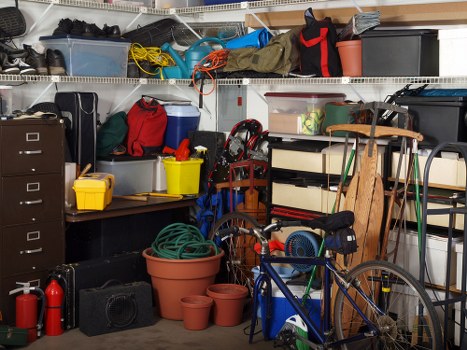
An indoor storage area filled with various household and garden items including plastic storage boxes, a red backpack, a yellow container, and a blue cooler arranged on metal shelving units and the floor. The shelves contain assorted tools, cords, and containers, while some items such as a bicycle, flower pots, and a small black speaker occupy the space in front. The setting appears to be a garage or utility room, with an organized yet cluttered appearance typical of a garden clearance task. The lighting suggests natural or overhead illumination, highlighting the diverse textures of plastic, metal, and wood objects. This image reflects typical rubbish and item organization involved in garden clearance or rubbish removal services offered by Garden Clearance in the local area, showing a mix of reusable and discardable items stored for sorting or disposal. If you encounter barriers or need information in an alternative format related to our garden waste clearance materials ??? for example, large print, easy read, or audio ??? please contact our accessibility team through the website contact form or the designated accessibility request channel. We will respond within a reasonable timeframe and work to provide information in your preferred format.

Limitations and planned improvements: while we aim for full compliance, some legacy content or third-party integrations used in garden clearance pages may not yet meet every WCAG 2.1 AA criterion. We maintain a prioritized plan to remediate these items and update this statement as milestones are achieved.

Reporting accessibility problems: if you find an accessibility issue when accessing garden clearance information or booking tools, please use the site contact form to report the problem and include details about your assistive technology and the page or feature affected. This helps us reproduce the issue and fix it faster.

We welcome collaboration and will consider reasonable adjustments to ensure our garden clearance services are inclusive. Thank you for helping us make garden clearance information usable for everyone.

Call Now!
Garden Clearance

Accessibility statement for garden clearance services explaining WCAG 2.1 AA compliance, screen-reader support, keyboard navigation, testing, limitations and how to request alternative formats.

Garden Waste Clearance Accessibility
Accessible Garden Clearance Policy

Garden Clearance Accessibility Statement

Photo illustrating garden clearance team at work near trimmed hedges and piled green waste This Accessibility Statement explains how our garden clearance services and related web content meet accessibility standards. We aim to make information about garden clearance, garden waste removal and tidy-up services perceivable, operable, understandable and robust for as many people as possible. Our approach is guided by WCAG 2.1 AA principles and practical accessibility measures that support independent use.

We design content for clear navigation when someone is arranging a garden tidy-up or booking garden rubbish removal. Our pages include semantic headings, clear link text and a consistent layout to reduce cognitive load. Where appropriate, we use high contrast color combinations and scalable text so details of garden clearance options remain legible for users with low vision.

Three large dark green refuse sacks filled with mixed garden and household waste are placed on the curbside along a paved street, adjacent to a white wall with a small garden bed featuring rocks and green plants. The sacks, made of woven plastic material, are slightly bulging and tied at the top, indicating they are ready for collection. Behind the sacks, the garden bed contains a mix of small rocks, soil, and green foliage, with some plants extending slightly over the edge. To the right, a decorative metal gate with geometric patterns is partially visible, leading to a property entrance. The street surface in the foreground shows asphalt with painted white lane markings, and the overall scene suggests a typical urban or suburban residential area, consistent with local rubbish removal practices. The lighting appears natural, possibly on a cloudy day, with even illumination across all elements. As part of Garden Clearance’s rubbish services in the area, this image depicts the typical waste presentation for curbside collection before scheduled rubbish removal. For people using assistive technologies, we provide ARIA landmarks and descriptive labels so screen-reading software can convey the sequence of information about garden clearance plans, waste segregation and safety notes. We regularly test with popular screen readers and monitor for changes that affect accessible garden clearance content.

Keyboard accessibility is essential for customers who cannot use a mouse. All interactive elements related to garden clearance booking and service descriptions are reachable and operable using keyboard-only navigation. Focus indicators are visible and meaningful; pressing Tab and Shift+Tab follows a logical order through forms and action buttons.

How we support screen-reader users and keyboard navigation

A smiling young couple standing indoors in a room with wooden furniture and cream-colored curtains, each holding a plastic recycling bin filled with glass bottles and jars. The woman, on the left, has dark hair tied back and is wearing a light-colored cardigan over a grey top, with her left arm around the man's shoulders. The green bin she holds contains transparent and slightly tinted glass bottles. The man, on the right, has dark curly hair and a beard, wearing a light grey shirt, and is holding a blue recycling bin filled with similar glass bottles and jars. In front of him is a blue cylindrical container with additional green glass bottles. The background includes a wooden cabinet and a woven basket on top. The scene illustrates a household recycling activity, consistent with waste collection services provided by Garden Clearance in local towns and postcode areas. We include live region notifications for dynamic updates such as booking confirmations and status changes during a garden clearance appointment. Where images illustrate garden waste types or clearance stages, we provide text alternatives that convey the functional purpose of the image rather than decorative detail.

Key features include:

  • Semantic HTML to help assistive technologies interpret content about garden clearance services.
  • Keyboard operability for all interactive controls and forms related to scheduling and service details.
  • Clear and concise language to describe what to expect from garden waste collection and site safety.

We strive to meet WCAG 2.1 AA success criteria across text, images, video and interactive elements. That includes sufficient contrast ratios, resizable text up to 200% without loss of content or functionality, and captions or transcripts for time-based media when used to explain garden clearance processes.

Committed practices and testing

Four young adults standing outdoors in front of a modern building, each wearing yellow rubber gloves and holding black rubbish bags filled with debris. The group appears cheerful and is dressed casually in shirts and denim, with two women in white tops and denim, and two men in patterned and solid shirts. The scene suggests a community or volunteer cleanup effort, reflecting environmental awareness and waste management practices. The background features a wooden panel and a paved walkway, typical of a residential or commercial area, possibly within a town in the UK. The lighting indicates daytime with natural sunlight illuminating their faces and the surroundings. This image exemplifies rubbish collection activities carried out by Garden Clearance, a professional waste removal service, supporting the importance of proper rubbish disposal and local environmental initiatives. Our accessibility program includes manual and automated testing, user scenario checks for common garden clearance journeys, and regression tests with assistive tools. We follow a continuous improvement cycle: identify issues, prioritize them based on impact, and deploy fixes while documenting accessibility changes.

An indoor storage area filled with various household and garden items including plastic storage boxes, a red backpack, a yellow container, and a blue cooler arranged on metal shelving units and the floor. The shelves contain assorted tools, cords, and containers, while some items such as a bicycle, flower pots, and a small black speaker occupy the space in front. The setting appears to be a garage or utility room, with an organized yet cluttered appearance typical of a garden clearance task. The lighting suggests natural or overhead illumination, highlighting the diverse textures of plastic, metal, and wood objects. This image reflects typical rubbish and item organization involved in garden clearance or rubbish removal services offered by Garden Clearance in the local area, showing a mix of reusable and discardable items stored for sorting or disposal. If you encounter barriers or need information in an alternative format related to our garden waste clearance materials ??? for example, large print, easy read, or audio ??? please contact our accessibility team through the website contact form or the designated accessibility request channel. We will respond within a reasonable timeframe and work to provide information in your preferred format.

Limitations and planned improvements: while we aim for full compliance, some legacy content or third-party integrations used in garden clearance pages may not yet meet every WCAG 2.1 AA criterion. We maintain a prioritized plan to remediate these items and update this statement as milestones are achieved.

Reporting accessibility problems: if you find an accessibility issue when accessing garden clearance information or booking tools, please use the site contact form to report the problem and include details about your assistive technology and the page or feature affected. This helps us reproduce the issue and fix it faster.

We welcome collaboration and will consider reasonable adjustments to ensure our garden clearance services are inclusive. Thank you for helping us make garden clearance information usable for everyone.

Get In Touch With Us.

Please fill out the form and we will get back to you as soon as possible.