Health and Safety Policy for Garden Clearance and Site Tidying
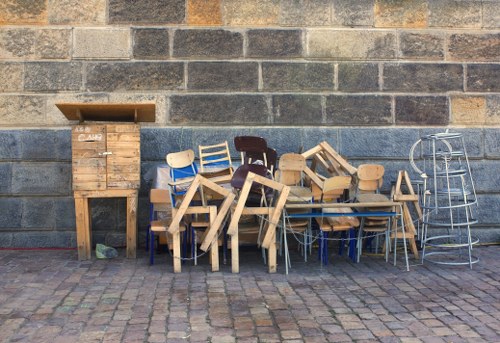 This Health and Safety policy sets out the standards and expectations for all garden clearance, garden waste removal and site tidy-up activities carried out by staff and contractors. The aim is to protect people, property and the environment while delivering effective garden clearance services. The policy applies to routine clearances, vegetation removal, removal of structures and any associated debris handling. It describes roles and responsibilities, risk controls, training, equipment management and emergency response arrangements. All personnel must follow the procedures and ensure that safety considerations are incorporated into every garden clean-up task from planning through to completion.
All employees and operatives involved in backyard clearance, verge clearance or full plot clearances are required to work in accordance with this policy. Managers are responsible for ensuring that suitable risk assessments are carried out and that control measures are implemented before work begins. Supervisors must monitor compliance on site and ensure that operatives are provided with appropriate personal protective equipment and instructions. Individuals must report hazards, incidents and near-misses promptly. This policy endorses a proactive approach: identify hazards early, apply sensible controls and maintain clear communication during garden waste clearance activities.
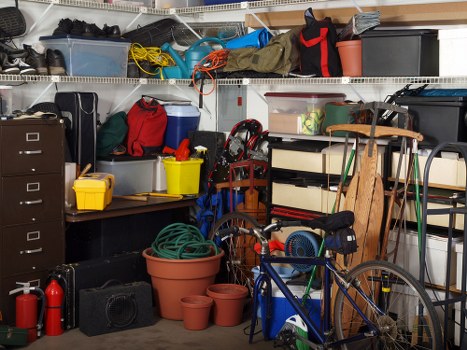 Risk assessment and task planning are fundamental to safe garden clearance work. Every clearance job requires a site-specific assessment to identify hazards such as sharp objects, hidden trip hazards, unstable structures, contaminated soils, invasive species, and potential wildlife. Plans should set out work sequences, access and egress routes, traffic management, exclusion zones and required permits. Implement control measures to remove or reduce risks, prioritising safer methods and avoiding unnecessary manual handling. Clear task briefs and method statements should be available to crews conducting site clearance or garden tidy-up operations.
Equipment, PPE and Safe Working Practices
Proper use of tools and machinery is essential during garden clearance and landscape waste removal. Ensure that all equipment???chainsaws, shredders, chippers, mowers and hand tools???is well maintained, inspected prior to use and operated only by competent, trained personnel. Provide and enforce the use of appropriate personal protective equipment such as gloves, eye protection, hearing protection, high-visibility clothing, sturdy footwear and respiratory protection when dust or airborne particles are present. Typical PPE for garden clearance tasks includes:
- Cut-resistant gloves and steel-toe boots
- Safety glasses or face shields
- Hearing protection and high-visibility vests
- Respirators for dusty or chemical exposure
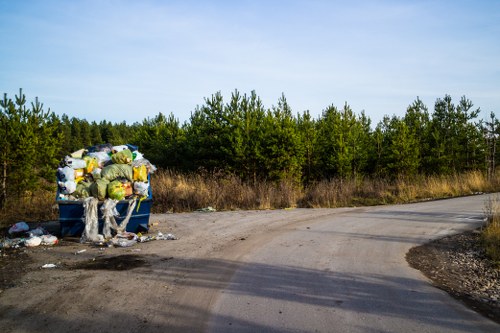 Hazardous materials may be encountered during any garden clearance project. Operate on the assumption that unknown materials could pose a risk and adopt appropriate precautions. This includes safe handling of old paint, fuel, solvents, contaminated soil or buried items. Asbestos-containing materials are a particular concern when dealing with old outbuildings or garden structures; stop work and seek specialist advice if materials suspected of containing asbestos are found. Store, label and transport hazardous waste according to accepted safety practice, keeping it segregated from general green waste.
Manual handling controls should be emphasised to prevent musculoskeletal injuries during vegetation removal, lifting of compost bags, and handling of bulky items. Use mechanical aids where possible, work in pairs for heavy lifts, and ensure correct lifting techniques are used. For powered equipment, ensure safe start/stop procedures and maintain clear communication, especially when operating chippers or working near pedestrian routes. Lockout and tagout principles should be used when servicing machinery.
Public Safety, Traffic Management and Emergency Procedures
Protecting members of the public and adjacent properties is a core component of any garden clearance operation. Establish exclusion zones with barriers or tape where falling debris or powered equipment is in use, and place clear signage to warn passersby. For clearances that adjoin footpaths or roads, implement basic traffic management measures to safeguard pedestrians and vehicles. When working near utilities or overhead lines, maintain safe clearance distances and liaise with relevant utility providers where necessary.
 Emergency procedures must be in place and understood by all staff. Maintain a readily available first aid kit, ensure that trained first aiders are present on site, and provide contact details for emergency services in the event of serious injury. All incidents and near-misses must be recorded and reviewed to identify lessons learned. Fire safety, spill response and the management of sudden medical events should be included in the site safety briefings prior to starting any garden waste clearance or landscaping task.
![A pile of discarded household and garden waste items rests against a corrugated metal background, including a dark blue plastic chair with metal legs, a red upholstered armchair with wooden armrests, a white plastic window frame, a white washing machine top, and a small red plastic container. The items are stacked irregularly, some leaning and overlapping, on a surface that appears to be an outdoor driveway or storage area typical of garden clearance operations. The overall scene highlights various materials such as plastic, wood, and metal, and the cluttered arrangement indicates ongoing rubbish removal work. This image exemplifies typical waste removal material that Garden Clearance may assist with, especially in the context of general household and garden waste disposal in the local area near [POSTCODE] and [TOWN]. The lighting suggests daytime conditions, with natural light illuminating the assortment of items, emphasizing their textures and colors, which range from dark and muted to brighter shades. The scene provides a realistic depiction of waste accumulation in a garden or outdoor space awaiting collection or disposal, supporting professional rubbish removal services.](/pub/_photos/rubbish/f1344679840.jpg) Monitoring, training and continual improvement underpin a robust garden clearance safety culture. Regular supervision, periodic refresher training, toolbox talks and documented competency checks help embed safe working practices. Conduct periodic audits, review incident records and update procedures based on operational experience. Maintain records of risk assessments, method statements, equipment inspections and training. This policy will be reviewed periodically to reflect changes in working practices, equipment, or identified hazards. Adherence to these measures ensures that garden clearance operations remain safe, efficient and respectful of people and the environment.
Monitoring, training and continual improvement underpin a robust garden clearance safety culture. Regular supervision, periodic refresher training, toolbox talks and documented competency checks help embed safe working practices. Conduct periodic audits, review incident records and update procedures based on operational experience. Maintain records of risk assessments, method statements, equipment inspections and training. This policy will be reviewed periodically to reflect changes in working practices, equipment, or identified hazards. Adherence to these measures ensures that garden clearance operations remain safe, efficient and respectful of people and the environment.