Garden Clearance in London for tidy outdoor spaces and straightforward waste removal

Garden clearance in London is a practical service for removing outdoor waste, unwanted green material and mixed items that have built up over time. We handle common jobs such as branch and hedge cuttings, soil, turf, plant waste and broken garden furnishings, giving you a cleaner space to work with. If you need a simple way to clear an overgrown plot, a front garden or a larger outside area, our service is designed to make that task easier and more orderly.
The work can support one-off clearances after pruning, routine seasonal tidy-ups, or larger projects where a garden has become cluttered. We also deal with items that are not purely green waste, such as planters, trellis, old pots, damaged fencing sections and small outdoor fixtures. In many cases, the aim is not only to remove waste, but to separate usable material from general rubbish so the job is handled responsibly from the start.
To request a quotation, use the details on the site and tell us what needs removing, how much there is, and whether access is straightforward. A brief description is usually enough to begin. When the load includes mixed materials, it helps to mention that early, as it allows the right service to be planned without delay.
What our garden clearance service covers
Garden clearance can involve much more than bagging up leaves. Some jobs are mainly green waste, while others include a wider mix of outdoor items that have outlived their useful life. We can help clear piles of branches, hedge trimmings, weeds and leaves, as well as broken garden furniture, old decorations, dismantled shed contents and worn-out storage items. The purpose is to remove the material in a way that leaves the area ready for whatever comes next.
Different gardens call for different approaches. A neat courtyard may need careful collection of light waste from narrow access, whereas a large rear garden may have heavier volumes, damp materials or tangled growth that needs sorting before loading. We can deal with both small and substantial clearances, but the useful detail is not size alone; it is the mix of items, how they are stored, and whether they can be moved cleanly from the property.
Useful garden clearance tasks often include:
- branches, cuttings and hedge waste
- soil, turf and plant matter
- broken pots, planters and garden ornaments
- old outdoor furniture and storage items
- light demolition waste from small garden projects
Garden waste, mixed loads and sorting

Garden waste is rarely perfectly uniform. A clearance may include clean green material, but it may also contain packaging, plastic edging, broken buckets, rusted metal pieces or fragments from landscaping work. Handling those items carefully matters because mixed loads need sensible sorting before disposal or recycling. When the waste is divided properly, recyclable material and compostable green waste can be dealt with separately from general rubbish, which supports a more organised outcome.
We can clear waste from beds, borders, lawns, paths and sheds without turning the job into a complete garden makeover. That means we focus on removal and tidy loading rather than replanting or redesigning the space. If you are preparing for further work, such as paving, fencing or new planting, the clearance can create a workable base by taking away the loose material that would otherwise slow progress. The service is especially useful when there is too much material to manage in the usual household bins.
For many customers, the main decision is whether the load is best treated as green waste only or as a mixed clearance. A clear description helps with that judgement, especially if there are timber offcuts, soil bags, broken containers or bundled clippings together. The more accurate the grouping, the easier it is to plan a suitable collection and avoid unnecessary handling on site.
Overgrown areas, seasonal cut-backs and one-off clearances
Some gardens need attention after a period of growth, while others only need clearing at certain times of year. A seasonal cut-back can leave behind large volumes of cuttings that are awkward to transport, especially when they have dried out or become tangled with older growth. We can remove that waste after hedge trimming, pruning or border tidy work, so the remaining area is easier to maintain.
One-off clearance work is also useful where the outside space has been left untouched for some time. In those situations, the job may include weeds, fallen branches, old compost bags, damaged accessories and general build-up around corners and edges. The key point is to deal with the material systematically. Rather than lifting everything in a rush, a careful clearance reduces the chance of leaving hidden waste behind or missing heavier items at the back of the garden.
When you are comparing options, it helps to think about what outcome you need: a clean slate for future work, a safer access route, or simply a tidier garden that is easier to use. That decision shapes the load, the amount of sorting needed and the best way to remove it. Clear instructions make clearance work smoother, especially when waste is spread across more than one section of the garden.
Outdoor furniture, fencing and broken garden fixtures
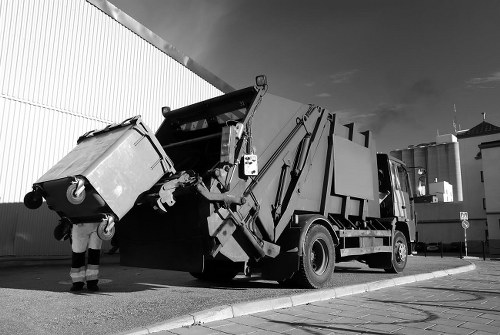
Garden clearance often includes items that are no longer part of the planting area at all. Outdoor tables, chairs, parasols, storage boxes, broken play items, snapped trellis and damaged fencing can all take up room and make the garden harder to use. We can remove these items as part of a broader clearance, helping to restore usable space without requiring you to dismantle everything before collection.
Some fixtures need a little preparation before they can be moved safely. Light dismantling may be needed for awkward items, and heavier pieces may need to be carried carefully through side access or along narrow paths. This is why access is important: it affects how the work is loaded and whether larger items can be handled directly or need to be broken down first. Good planning avoids unnecessary damage to gates, walls, paving or planted areas.
If the garden contains both soft waste and solid items, it can be helpful to say so in the initial enquiry. That allows the load to be arranged more sensibly and gives a clearer view of any lifting or dismantling involved. In many cases, the simplest approach is to group similar items together beforehand, but we can also work from a general description where necessary.
Access, preparation and quotation details
For a useful quotation, the most helpful details are the type of waste, approximate volume and how the garden can be reached. It also helps to mention whether the waste is already bagged, piled loose, stacked in a corner or mixed with heavier items. These points give a clearer picture of the work involved than size alone, and they reduce the need for back-and-forth questions before the job is arranged.
In practical terms, a few sensible preparations can save time on the day. Keep access paths as clear as possible, point out any fragile surfaces, and note whether there are steps, narrow side passages or awkward turns. If the garden contains items that should stay in place, separate those from the clearance pile. Photographs can be useful when the load is hard to describe, but a written summary is still the best place to start.
Pricing factors and service choices
Garden clearance pricing is usually shaped by the amount of waste, the mix of materials, and the effort needed to remove it from the property. Light green waste stacked near access is simpler than damp soil, broken timber and mixed items scattered across a wide area. The location of the waste, whether it needs separating, and the time needed for loading all play a part in the overall quotation.
It can also matter whether the clearance is part of a larger outdoor job. A garden full of cuttings after pruning is different from a clear-out that includes old furniture, bags, pots and a few dismantled fixtures. If you are planning work in stages, it is often useful to identify which items must go now and which will stay for later removal. That keeps the scope focused and makes the proposal easier to understand.
If you are preparing to compare options, it is sensible to think about the actual mix of waste rather than assuming every garden clearance is the same. The most efficient quotation is usually the one based on a clear description of the material, access and expected handling. That is why a precise summary is more valuable than a broad estimate when you first get in touch.
About London
London is a large and historically layered city whose geography and identity are shaped by the River Thames, a web of historic settlements and a long period of metropolitan growth. The original Roman town of Londinium developed on the north bank of the river, and later centuries saw the city expand through trade, migration, rebuilding and the absorption of surrounding villages. Today the capital includes the City of London, the local government area of Greater London, and a wide range of districts with distinct characters, from riverside quarters and inner-urban neighbourhoods to suburban high streets and green residential enclaves. The Thames remains a defining feature, crossed by numerous bridges and lined with embankments, wharves and parks that reflect changing patterns of movement and commerce. London’s architecture ranges from medieval survivals such as the Tower of London to Georgian terraces, Victorian civic buildings, post-war estates and contemporary towers, creating a layered streetscape that is visible across many boroughs. Cultural life is equally varied, with institutions such as the British Museum, the National Gallery, Tate Modern, the South Bank Centre, the West End theatres and a large network of libraries, galleries and local arts venues. Major parks including Hyde Park, Regent’s Park, Hampstead Heath and Greenwich Park contribute open space within the urban fabric, while markets, canals, railway arches and conservation areas give many districts a distinct local atmosphere. The city’s scale means that neighbourhood identities often remain strong even within a global capital, and that mix of history, public space and neighbourhood character continues to shape how London is experienced.
Household and property clearances linked to garden work

Garden clearance is often part of a wider property tidy-up. If outdoor waste is being removed alongside items from a shed, loft, garage or room in the house, it can be practical to coordinate the work so that everything is handled in one planned visit. That does not mean every clearance becomes a full property clear-out; rather, it means the service can be tailored when there is a sensible link between outdoor and indoor waste.
For example, old decking pieces, worn storage boxes, broken household items and unwanted furniture can sometimes sit alongside garden waste after a home project. Sorting those items into clear groups helps the collection proceed more smoothly and keeps the disposal route appropriate for each material type. The useful principle is simple: separate what can be grouped, and flag anything that is likely to need extra lifting or dismantling.
Where the clearance includes several types of waste, it is often better to describe the main categories than to list every minor item in isolation. That makes the enquiry more readable and gives a better basis for the work. A tidy summary is especially useful when access is limited or the job needs to fit around neighbours, parking or other property activity.
Garden clearance for ongoing maintenance
Not every garden clearance is about a single dramatic clean-up. Some customers need help after regular maintenance jobs such as hedge cutting, pruning, lawn renovation or border replanting. In those cases, the waste may be smaller in individual pieces but still substantial in total volume. We can remove the resulting green waste and related items so the garden can move back to normal use without piles of leftover material.
Routine clearances are often easier to manage when waste is kept in one area before collection. Even so, we can work from a site that still needs some sorting, as long as the main materials are identified. The important thing is to distinguish between waste that belongs in the clearance and items that are staying. That helps avoid mistakes and prevents useful materials from being taken away accidentally. Small details can make a significant difference when the area contains both keep items and waste items.
If the garden is being refreshed in stages, a clearance can be timed to suit the work already completed. That is useful where pruning, digging or clearance has produced a temporary backlog. Rather than leaving the site cluttered, the waste can be moved out once the main cutting or lifting is finished, which keeps the area more manageable from one stage to the next.
Choosing the right scope for your waste removal
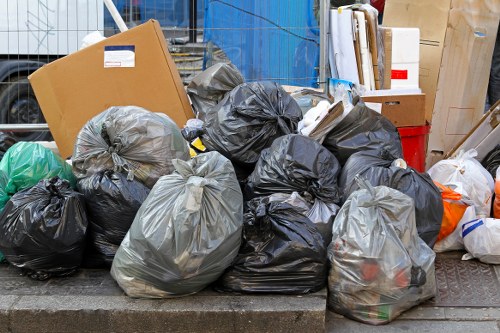
Garden clearance is best when the scope is clear from the outset. Some enquiries only require removal of green waste, while others need a fuller tidy-up with mixed outdoor items, heavier debris and awkward pieces. Choosing the right scope means identifying what should be taken, what should stay, and whether the job involves any dismantling or careful movement through the property. That practical clarity usually leads to a more useful quotation and a smoother collection.
You do not need to prepare a perfect inventory to make a good enquiry. A simple explanation of the main materials, where they are located and how much there seems to be is often enough to begin. If there are items that cannot be carried easily, narrow routes, or waste that has been left in more than one spot, mention those points as well. We can then plan the clearance in a way that matches the site conditions and the waste type.
If you are ready to move ahead, get in touch to discuss the garden waste, the access and the timing that suits you. You can ask for a quotation once you have a rough description in place, and we will help turn that into a clear plan for removal. Send the details when you are ready and request a quotation.