DIY dumping risks: why hiring pros often saves money

If you have a pile of rubbish building up in the garden, garage, loft, or outside a property, DIY dumping can look like the cheapest option at first glance. Hire a van, make a few trips, tip the waste, job done - or so it seems. In reality, the hidden costs, time drain, and disposal mistakes can quickly turn a "cheap" DIY plan into a messy and expensive one. This guide breaks down the real DIY dumping risks: why hiring pros often saves money, what goes wrong most often, and how to decide when a professional clearance is the smarter move.

Truth be told, most people do not set out to make waste removal complicated. They just want it gone. But once you factor in load size, skip permits, fuel, lifting injuries, sorting rules, and the possibility of turning up at the wrong facility, the maths changes. Sometimes the best saving is the one you make by not doing it yourself.

Below, you will find a practical, no-nonsense walkthrough of costs, risks, best practices, and real-world situations where professional removal pays for itself.

Why DIY dumping risks: why hiring pros often saves money Matters

DIY dumping is not just about moving rubbish from one place to another. It involves sorting, lifting, transporting, unloading, and disposing of waste in a way that is lawful, safe, and cost-effective. That sounds simple until you are halfway through a wet Saturday, staring at a broken wardrobe, a busted mattress, three bags of mixed waste, and a car that now smells faintly of old carpet. Not ideal.

The key issue is that people often compare only the obvious cost. They see the price of a van hire or a few bags of fuel and stop there. They do not always account for the full picture:

  • time spent loading, driving, and unloading
  • manual handling strain and possible injury
  • wrong disposal choices or site restrictions
  • fees for fuel, tipping, or permits
  • damage to the property, vehicle, or neighbouring areas
  • the risk of repeat trips because the load was bigger than expected

Hiring professionals often saves money because they price the job around the actual waste, labour, transport, and disposal pathway. In other words, they do the awkward bits properly. You are paying for speed, experience, and fewer surprises.

There is also a less obvious point. Waste left sitting around tends to snowball. One broken sofa becomes a half-cleared room. One half-hearted trip to the tip becomes a second and third trip. By the time you have lost an entire afternoon and still have debris left over, the "cheap" solution has become rather expensive. Happens all the time.

How DIY dumping risks: why hiring pros often saves money Works

To understand why professional clearance can be the cheaper choice, it helps to look at how DIY dumping actually plays out in practice. The process is more than loading up a vehicle and dropping everything off. There are multiple moving parts, and each one can create cost.

1. You assess the waste

Most jobs start with a rough estimate. The problem is that waste volume is easy to misjudge. A few bulky items can occupy far more space than expected, especially if there is furniture, broken appliances, or mixed builders' waste. One stack of "just a few things" can fill a van in no time.

2. You arrange transport

If you do not already have a large vehicle, you may need to hire one. That can be sensible for a very small load, but once the job grows, the transport cost rises quickly. Add fuel, mileage, congestion, parking stress, and the possibility of needing a second trip, and the numbers move sharply.

3. You sort the waste

Not everything can go in the same place. Some items need to be separated for recycling, some need special handling, and certain items may not be accepted in standard household disposal streams. Mixing waste carelessly can lead to rejected loads, extra sorting time, or higher disposal charges.

4. You unload and dispose

This is where the physical strain kicks in. Heavy lifting, awkward shapes, sharp edges, and damp waste all make the job harder. Professional teams tend to have the right people, lifting methods, and safety controls in place. That matters more than people think. A sore back is not a bargain.

5. You absorb the hidden costs

DIY dumping often includes indirect costs that do not show up at the start. Lost hours from work or family time, unexpected parking charges, damaged gloves, broken bins, a missed collection slot, or a vehicle interior that now needs cleaning - it all adds up.

In comparison, a professional waste removal service usually combines labour, transport, and disposal into a single, predictable price. You know what is included. That clarity has value, especially when you are already dealing with a cluttered property or a time-sensitive move.

Key Benefits and Practical Advantages

Hiring pros is not just about convenience. It often creates measurable savings and avoids problems that DIY dumping can trigger. Here are the benefits that matter most in real life.

Less wasted time

A professional team can remove in a single visit what might take you a whole day, sometimes two, especially if the waste is bulky or awkward to move. If your time has real value - and it does - the savings are immediately clear.

Lower risk of injury

Dragging heavy furniture down stairs, lifting a fridge into a van, or carrying bagged waste through narrow hallways is exactly where strain injuries happen. Professionals use safer manual handling methods and usually work as a team. That is not a small thing.

Fewer disposal mistakes

Reputable clearance teams know how to separate recyclable, reusable, and non-recyclable waste. They also know which items need special handling. That reduces the risk of turning up at the wrong facility or sending waste to the wrong route.

Cleaner overall result

A good clearance job does not stop at "the big stuff is gone". It leaves the area tidier, safer, and easier to use. If you are preparing a rental property, clearing a garden, or getting a home ready for sale, that finish matters.

Better value for larger jobs

Once waste volume rises, professional removal becomes increasingly cost-effective. The more trips you would need to make yourself, the more likely a fixed-price or load-based service becomes cheaper in practice.

Less stress

Let's face it, most people do not want a weekend revolving around rubbish. Hiring pros removes a whole chain of small headaches - parking, loading, sorting, tipping, and cleaning up afterwards. Small relief, big difference.

Factor DIY dumping Hiring pros
Upfront cash outlay May look lower at first Usually clearer, packaged pricing
Time required Often high, especially for bulky waste Usually much lower
Physical effort High Low for the customer
Risk of mistakes Higher if waste types are mixed Lower with experienced crews
Extra costs Fuel, van hire, permits, repeat trips Often included or explained upfront
Best for Very small, simple loads Bulky, mixed, heavy, or time-sensitive jobs

Who This Is For and When It Makes Sense

This topic matters to more people than you might think. If you have ever looked at a pile of waste and felt a bit stuck, you are exactly the kind of person this applies to.

Homeowners and tenants

If you are clearing an old sofa, a mattress, garden waste, or loft clutter, DIY dumping can seem manageable. But if the items are heavy, damp, dirty, or awkward, the hassle rises quickly. For flats and upper floors, that is even more true. Stairs are not your friend here.

Landlords and letting agents

End-of-tenancy clearances often come with mixed waste, damaged furniture, and a deadline. Hiring pros can help you reset the property faster and reduce the chance of missed items holding up re-letting.

Businesses and offices

Office moves, storage clear-outs, and refurbishments create more waste than many teams expect. A professional service can help avoid downtime, reduce disruption, and keep staff focused on the actual move instead of wrestling with broken desks.

People with bulky or unusual items

Mattresses, fridges, broken wardrobes, and dismantled furniture are classic examples where DIY dumping becomes awkward. Some items are simply not worth trying to move yourself, especially if you need to protect flooring, walls, or lifts.

When DIY may still be fine

To be fair, there are times when a DIY approach can work. If you have a tiny amount of light, clean waste and easy access to disposal, it may be practical. But the moment the load becomes bulky, mixed, or time-sensitive, the value of professional help rises fast.

A good rule of thumb: if you are already thinking, "This is going to take all day," it may be time to stop and compare costs properly.

Step-by-Step Guidance

If you want to make the right call, do not just guess. Follow a simple process and compare the full picture. It is not fancy, but it works.

Step 1: List everything that needs removing

Write down each item or category: furniture, garden waste, household rubbish, builders' debris, appliances, or mixed clutter. Be honest about the volume. People tend to underestimate. Almost always.

Step 2: Separate what can be reused, recycled, or thrown away

Some items may be reusable or recyclable, which can affect disposal options. If you leave everything mixed together, you may pay more or make the job harder than necessary. A little sorting early on saves stress later.

Step 3: Think about access

Ask yourself how the waste will get out. Is there a narrow hallway, a top-floor flat, a locked gate, a parking restriction, or a difficult staircase? Access problems change the cost and effort more than people expect.

Step 4: Compare full costs, not just the headline figure

When comparing DIY and professional removal, include vehicle hire, fuel, tipping fees, time off work, parking, equipment, and your own effort. If you are honest with yourself here, the answer usually becomes clearer.

Step 5: Check whether any items need special handling

Fridges, mattresses, electricals, and certain construction materials can require specific handling routes. If there is any doubt, do not assume. Ask. That one question can save a nasty surprise.

Step 6: Choose the most practical route

If the job is small and simple, DIY may still be fine. If it is bulky, hazardous, mixed, or urgent, hiring pros is usually the wiser choice. The goal is not to prove you can do it. The goal is to get it cleared well and for a sensible cost.

Step 7: Keep proof and paperwork where relevant

For business clearances or larger jobs, keep records of what was removed, who collected it, and how it was handled. That is just good housekeeping, and it can matter later if questions come up.

Expert Tips for Better Results

Here are the practical habits that tend to save the most money and avoid headaches. These are simple, but they make a noticeable difference.

  • Sort before you load. Mixed waste takes longer to handle and may cost more to dispose of.
  • Measure bulky items. If a sofa or wardrobe will not fit through the door easily, do not force it. That ends badly.
  • Take photos. A quick picture helps you estimate volume more accurately and makes quoting easier.
  • Book at the right time. If you need access clear by Monday morning, do not leave it until late Sunday. Obvious, yes, but worth saying.
  • Ask what is included. Labour, loading, disposal, and recycling should be clear from the start.
  • Choose the right service for the waste type. A garden clearance is not the same as builders' waste or furniture disposal.

One small tip that often gets overlooked: if the load contains a few heavy items and lots of lighter clutter, clear the heavy items first from a safety and planning point of view. It makes the rest easier and reduces the chance of damage. Little things like that matter.

And if you are dealing with waste after a renovation, a move, or a property clean-out, be realistic about your energy. People often start well at 9am and feel completely done by lunchtime. That is normal.

Common Mistakes to Avoid

Most DIY dumping mistakes are predictable. That is good news, because predictable mistakes are easier to avoid.

Underestimating how much waste you have

What looks like "a few bags" often becomes a much larger load once it is gathered together. This is one of the biggest reasons DIY costs creep up.

Ignoring access and lifting difficulty

Heavy items in a tight stairwell are not a good DIY bet. Neither is trying to move awkward furniture on your own when it is raining and the pavement is slick.

Mixing waste without checking disposal rules

Mixed loads can be more expensive to process and may be turned away in some situations. That means extra time, extra transport, and extra frustration.

Forgetting the time cost

If you need half a day off work to complete a trip, that has a real price. The issue is not just the money you spend, but the money you do not earn or the time you lose elsewhere.

Hiring the wrong vehicle

Too small and you need repeat trips. Too large and you have paid for space you do not need. It sounds simple, but this is where many DIY plans unravel.

Not factoring in disposal restrictions

Some facilities have rules on what they accept and how loads must be presented. If you arrive unprepared, you may have to take the waste away again. A right pain, honestly.

Tools, Resources and Recommendations

You do not need a truck full of kit to manage waste well, but a few practical tools make the process safer and more efficient.

  • Heavy-duty gloves: useful for rough edges, broken wood, and dirty materials
  • Sturdy bags or boxes: better for loose waste, small items, and sorting
  • Ratchet straps or rope: helpful for keeping loads secure during transport
  • Measuring tape: worth using for bulky furniture or appliance clearance
  • Protective footwear: especially if you are lifting in a garden, loft, or garage
  • Dust sheet or blanket: protects cars, floors, and furniture during moving

If you are comparing services, look at more than just the price tag. A good provider should be able to explain how they handle loading, recycling, and disposal. For example, if you need help with household items, services such as furniture disposal, bulky waste collection, or rubbish removal can be more practical than trying to piece the job together yourself.

For larger or more mixed clear-outs, it can also be worth comparing broader services like waste clearance or home clearance. If the waste includes garden cuttings or outdoor debris, garden clearance may be the better fit.

And yes, a quick quote can tell you far more than a rough guess ever will. That is one of those boring-but-useful truths people wish they had accepted sooner.

Law, Compliance, Standards, or Best Practice

Waste removal has legal and safety angles, especially when you are dealing with other people's property, business waste, or potentially controlled materials. The exact rules depend on the type of waste and how it is being handled, so it is wise to be cautious rather than casual.

For household waste, the main best practice is simple: make sure it is disposed of through a legitimate route and not abandoned anywhere unsuitable. Fly-tipping can create liability, reputational damage, and avoidable cleanup costs. It can also create problems for the person who arranged the removal if the waste is not handled properly.

For businesses, there is usually a stronger need to keep records and ensure waste is passed to a responsible carrier. If you are clearing an office, shop, or worksite, that admin matters. The same goes for items like electricals, fridges, or materials from refurbishments, which may need more careful handling than general household rubbish.

Health and safety is another major consideration. Safe lifting, secure loading, clear walkways, and sensible vehicle loading all reduce the risk of injury. This is not the glamorous side of waste removal, but it is the part that keeps a small job from turning into a costly one.

Best practice, in plain English, means this: use a service that knows what it is doing, asks the right questions, and treats disposal as a process rather than a quick dump-and-run. That is where professional help often earns its keep.

Options, Methods, or Comparison Table

If you are deciding between DIY and hiring pros, it helps to compare the options by job type rather than by price alone. A method that suits one situation can be a poor fit for another.

Option Best for Main downside Often cheaper when...
DIY with personal vehicle Very small, light loads Limited space and higher hassle You already have the right vehicle and nearby access
Van hire and tip run Simple loads of moderate size Fuel, time, loading effort, and disposal uncertainty You are experienced and the waste is straightforward
Skip hire Longer jobs, gradual fill-up, DIY renovation waste Permit needs, space, and slower loading You have room and will use the skip fully
Professional waste removal Bulky, mixed, heavy, or time-sensitive waste Upfront quote may look higher than DIY at a glance You include your time, lifting effort, and repeat trips

For many readers, the decision is not really "DIY or pro" in a vacuum. It is "What will this cost me in total once I factor in time, access, lifting, transport, and disposal?" That is the question worth asking.

Case Study or Real-World Example

Here is a simple real-world style example. A family is clearing out a spare room after a house move. The room contains an old bed frame, a mattress, a broken chest of drawers, boxes of mixed household clutter, and a couple of bags of odd bits from the loft. At first glance, they think a single car load will do it.

Once they start moving items, the picture changes. The mattress is awkward. The bed frame needs dismantling. The boxes are heavier than expected. The car will not take the furniture safely without folding seats and risking damage. By the time they have made one trip, they realise they would need at least another. Maybe two.

At that point, the savings from doing it themselves have pretty much vanished. They have lost most of the day, made a mess in the hallway, and still have half the load left. A professional team would likely have finished the job in one visit, with less lifting, less stress, and a cleaner result.

That is the pattern you see often. DIY feels economical when the waste is still a pile. Once the pile has to move, the true cost appears. Rather suddenly, too.

If the room or property is part of a bigger clean-out, services such as house clearance, flat clearance, or garage clearance can be a better fit than trying to tackle everything in separate DIY runs.

Practical Checklist

Use this checklist before deciding whether to DIY or hire professionals:

  • Have I listed every item that needs removing?
  • Do I know roughly how much space the waste will take up?
  • Will I need to carry anything heavy, awkward, or sharp?
  • Is access easy, or will stairs, parking, or narrow doors make things harder?
  • Do any items need special handling or separate disposal?
  • Have I calculated fuel, vehicle hire, permits, and disposal fees?
  • Have I included the value of my own time?
  • Could repeated trips turn this into a much bigger job?
  • Would a professional service finish faster and more safely?
  • Have I asked for a clear quote that explains what is included?

If you can answer "yes" to most of the cost and difficulty questions, professional removal is often the smarter route. If you are still unsure, get a quote and compare it against the full DIY picture. That usually settles it.

Get a free quote today and see how much you can save.

Conclusion

The real message behind DIY dumping risks: why hiring pros often saves money is simple. What looks cheaper on paper can become more expensive once you add transport, time, labour, disposal, and the risk of mistakes. Professional waste removal is often the better value because it reduces hidden costs and removes the parts of the job that people find most difficult.

That does not mean DIY is always wrong. For a tiny, simple load, it can make sense. But for bulky, mixed, heavy, or time-sensitive waste, hiring pros is usually the safer financial decision and the calmer one too. You get the job done properly, with less hassle and fewer surprises. And sometimes that is the best saving of all.

Choose the path that leaves you with a clear space and a clear head. The rest tends to follow.

Frequently Asked Questions

Is DIY dumping always cheaper than hiring professionals?

Not usually. DIY may look cheaper at first, but once you include vehicle hire, fuel, tipping fees, your time, and the risk of extra trips, the total cost can rise quickly. For bulky or mixed waste, professional clearance often works out better value.

What are the biggest DIY dumping risks?

The biggest risks are injury, underestimating the load, paying for extra trips, disposal mistakes, and wasting time. There is also the chance of damage to your property or vehicle if items are awkward or heavy.

When does it make more sense to hire pros?

It usually makes more sense when the waste is bulky, heavy, mixed, or time-sensitive. If access is awkward or the job would take several trips, professional help is often the smarter and cheaper route.

Can I save money by sorting waste myself before booking?

Yes, often you can. Sorting items into clear categories can make collection faster and may reduce disposal complexity. That said, do not overdo it if the job is already large; the time spent sorting should still be worth it.

Are professional waste removals better for heavy items?

Generally, yes. Heavy furniture, appliances, and awkward items are exactly where professional crews add value. They have the people, equipment, and lifting methods to handle the job with less risk.

What should I ask before booking a clearance service?

Ask what is included in the quote, how they handle loading and disposal, whether recycling is part of the service, and whether there are extra charges for difficult access or special items. Clear answers now save arguments later.

How do I know if my waste needs special handling?

If you have appliances, electricals, mattresses, or construction debris, it is worth checking. Some items are fine in standard loads, while others need separate handling. If in doubt, ask the provider before collection day.

Is skip hire better than waste removal?

It depends on the job. Skip hire can be useful for longer projects where waste builds up over time. Waste removal is usually better when you want a fast, one-off clearance with minimal effort on your side.

Can DIY dumping create hidden costs?

Absolutely. Hidden costs can include fuel, parking, wear and tear, equipment, cleaning, missed work time, and the cost of redoing the job if you get the disposal wrong. Those extras are often what change the maths.

What type of jobs are best left to professionals?

Jobs involving bulky furniture, mixed household rubbish, garden clearances, office clear-outs, and waste from moves or refurbishments are often best handled by professionals. The bigger and messier the job, the more value they usually add.

How can I compare prices fairly?

Compare the full total cost, not just the headline number. Ask what is included, how many people will attend, how waste is disposed of, and whether there are any extra charges. Then compare that against the true DIY cost, including your own time.

Does hiring pros help reduce stress?

Yes, very often. There is a lot to be said for not spending your weekend wrestling a mattress through a hallway or doing a second van run in the rain. Professional help takes the pressure off and gives you a cleaner result, faster.
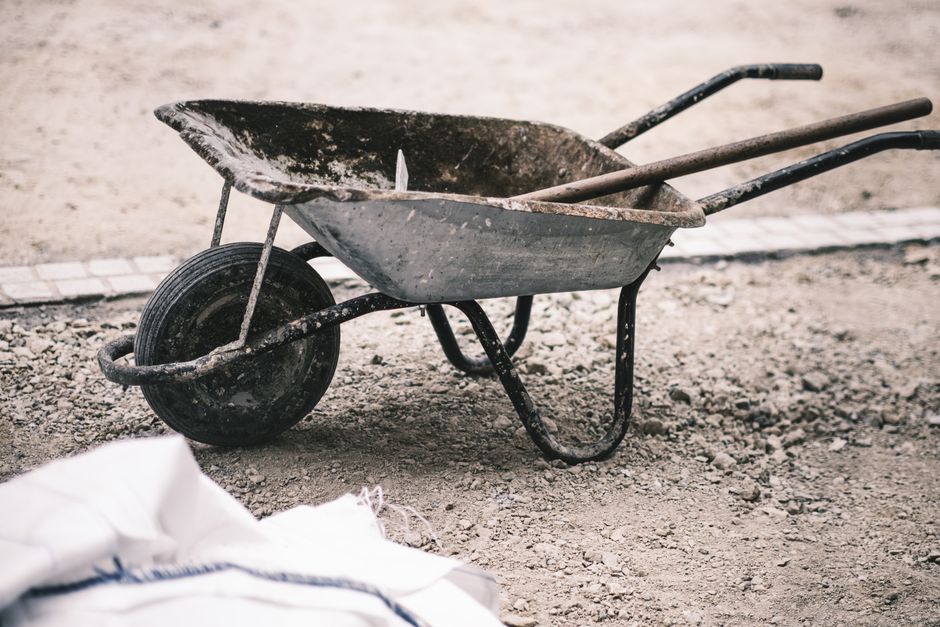

A close-up view of a well-used metal wheelbarrow positioned on a construction or garden site, with a large single black rubber tire visible in the foreground. The wheelbarrow's basin is made of weathe

A close-up view of a well-used metal wheelbarrow positioned on a construction or garden site, with a large single black rubber tire visible in the foreground. The wheelbarrow's basin is made of weathe


Call Now!
Garden Clearance

DIY dumping risks: why hiring pros often saves money

If you have a pile of rubbish building up in the garden, garage, loft, or outside a property, DIY dumping can look like the cheapest option at first glance. Hire a van, make a few trips, tip the waste, job done - or so it seems. In reality, the hidden costs, time drain, and disposal mistakes can quickly turn a "cheap" DIY plan into a messy and expensive one. This guide breaks down the real DIY dumping risks: why hiring pros often saves money, what goes wrong most often, and how to decide when a professional clearance is the smarter move.

Truth be told, most people do not set out to make waste removal complicated. They just want it gone. But once you factor in load size, skip permits, fuel, lifting injuries, sorting rules, and the possibility of turning up at the wrong facility, the maths changes. Sometimes the best saving is the one you make by not doing it yourself.

Below, you will find a practical, no-nonsense walkthrough of costs, risks, best practices, and real-world situations where professional removal pays for itself.

Why DIY dumping risks: why hiring pros often saves money Matters

DIY dumping is not just about moving rubbish from one place to another. It involves sorting, lifting, transporting, unloading, and disposing of waste in a way that is lawful, safe, and cost-effective. That sounds simple until you are halfway through a wet Saturday, staring at a broken wardrobe, a busted mattress, three bags of mixed waste, and a car that now smells faintly of old carpet. Not ideal.

The key issue is that people often compare only the obvious cost. They see the price of a van hire or a few bags of fuel and stop there. They do not always account for the full picture:

  • time spent loading, driving, and unloading
  • manual handling strain and possible injury
  • wrong disposal choices or site restrictions
  • fees for fuel, tipping, or permits
  • damage to the property, vehicle, or neighbouring areas
  • the risk of repeat trips because the load was bigger than expected

Hiring professionals often saves money because they price the job around the actual waste, labour, transport, and disposal pathway. In other words, they do the awkward bits properly. You are paying for speed, experience, and fewer surprises.

There is also a less obvious point. Waste left sitting around tends to snowball. One broken sofa becomes a half-cleared room. One half-hearted trip to the tip becomes a second and third trip. By the time you have lost an entire afternoon and still have debris left over, the "cheap" solution has become rather expensive. Happens all the time.

How DIY dumping risks: why hiring pros often saves money Works

To understand why professional clearance can be the cheaper choice, it helps to look at how DIY dumping actually plays out in practice. The process is more than loading up a vehicle and dropping everything off. There are multiple moving parts, and each one can create cost.

1. You assess the waste

Most jobs start with a rough estimate. The problem is that waste volume is easy to misjudge. A few bulky items can occupy far more space than expected, especially if there is furniture, broken appliances, or mixed builders' waste. One stack of "just a few things" can fill a van in no time.

2. You arrange transport

If you do not already have a large vehicle, you may need to hire one. That can be sensible for a very small load, but once the job grows, the transport cost rises quickly. Add fuel, mileage, congestion, parking stress, and the possibility of needing a second trip, and the numbers move sharply.

3. You sort the waste

Not everything can go in the same place. Some items need to be separated for recycling, some need special handling, and certain items may not be accepted in standard household disposal streams. Mixing waste carelessly can lead to rejected loads, extra sorting time, or higher disposal charges.

4. You unload and dispose

This is where the physical strain kicks in. Heavy lifting, awkward shapes, sharp edges, and damp waste all make the job harder. Professional teams tend to have the right people, lifting methods, and safety controls in place. That matters more than people think. A sore back is not a bargain.

5. You absorb the hidden costs

DIY dumping often includes indirect costs that do not show up at the start. Lost hours from work or family time, unexpected parking charges, damaged gloves, broken bins, a missed collection slot, or a vehicle interior that now needs cleaning - it all adds up.

In comparison, a professional waste removal service usually combines labour, transport, and disposal into a single, predictable price. You know what is included. That clarity has value, especially when you are already dealing with a cluttered property or a time-sensitive move.

Key Benefits and Practical Advantages

Hiring pros is not just about convenience. It often creates measurable savings and avoids problems that DIY dumping can trigger. Here are the benefits that matter most in real life.

Less wasted time

A professional team can remove in a single visit what might take you a whole day, sometimes two, especially if the waste is bulky or awkward to move. If your time has real value - and it does - the savings are immediately clear.

Lower risk of injury

Dragging heavy furniture down stairs, lifting a fridge into a van, or carrying bagged waste through narrow hallways is exactly where strain injuries happen. Professionals use safer manual handling methods and usually work as a team. That is not a small thing.

Fewer disposal mistakes

Reputable clearance teams know how to separate recyclable, reusable, and non-recyclable waste. They also know which items need special handling. That reduces the risk of turning up at the wrong facility or sending waste to the wrong route.

Cleaner overall result

A good clearance job does not stop at "the big stuff is gone". It leaves the area tidier, safer, and easier to use. If you are preparing a rental property, clearing a garden, or getting a home ready for sale, that finish matters.

Better value for larger jobs

Once waste volume rises, professional removal becomes increasingly cost-effective. The more trips you would need to make yourself, the more likely a fixed-price or load-based service becomes cheaper in practice.

Less stress

Let's face it, most people do not want a weekend revolving around rubbish. Hiring pros removes a whole chain of small headaches - parking, loading, sorting, tipping, and cleaning up afterwards. Small relief, big difference.

Factor DIY dumping Hiring pros
Upfront cash outlay May look lower at first Usually clearer, packaged pricing
Time required Often high, especially for bulky waste Usually much lower
Physical effort High Low for the customer
Risk of mistakes Higher if waste types are mixed Lower with experienced crews
Extra costs Fuel, van hire, permits, repeat trips Often included or explained upfront
Best for Very small, simple loads Bulky, mixed, heavy, or time-sensitive jobs

Who This Is For and When It Makes Sense

This topic matters to more people than you might think. If you have ever looked at a pile of waste and felt a bit stuck, you are exactly the kind of person this applies to.

Homeowners and tenants

If you are clearing an old sofa, a mattress, garden waste, or loft clutter, DIY dumping can seem manageable. But if the items are heavy, damp, dirty, or awkward, the hassle rises quickly. For flats and upper floors, that is even more true. Stairs are not your friend here.

Landlords and letting agents

End-of-tenancy clearances often come with mixed waste, damaged furniture, and a deadline. Hiring pros can help you reset the property faster and reduce the chance of missed items holding up re-letting.

Businesses and offices

Office moves, storage clear-outs, and refurbishments create more waste than many teams expect. A professional service can help avoid downtime, reduce disruption, and keep staff focused on the actual move instead of wrestling with broken desks.

People with bulky or unusual items

Mattresses, fridges, broken wardrobes, and dismantled furniture are classic examples where DIY dumping becomes awkward. Some items are simply not worth trying to move yourself, especially if you need to protect flooring, walls, or lifts.

When DIY may still be fine

To be fair, there are times when a DIY approach can work. If you have a tiny amount of light, clean waste and easy access to disposal, it may be practical. But the moment the load becomes bulky, mixed, or time-sensitive, the value of professional help rises fast.

A good rule of thumb: if you are already thinking, "This is going to take all day," it may be time to stop and compare costs properly.

Step-by-Step Guidance

If you want to make the right call, do not just guess. Follow a simple process and compare the full picture. It is not fancy, but it works.

Step 1: List everything that needs removing

Write down each item or category: furniture, garden waste, household rubbish, builders' debris, appliances, or mixed clutter. Be honest about the volume. People tend to underestimate. Almost always.

Step 2: Separate what can be reused, recycled, or thrown away

Some items may be reusable or recyclable, which can affect disposal options. If you leave everything mixed together, you may pay more or make the job harder than necessary. A little sorting early on saves stress later.

Step 3: Think about access

Ask yourself how the waste will get out. Is there a narrow hallway, a top-floor flat, a locked gate, a parking restriction, or a difficult staircase? Access problems change the cost and effort more than people expect.

Step 4: Compare full costs, not just the headline figure

When comparing DIY and professional removal, include vehicle hire, fuel, tipping fees, time off work, parking, equipment, and your own effort. If you are honest with yourself here, the answer usually becomes clearer.

Step 5: Check whether any items need special handling

Fridges, mattresses, electricals, and certain construction materials can require specific handling routes. If there is any doubt, do not assume. Ask. That one question can save a nasty surprise.

Step 6: Choose the most practical route

If the job is small and simple, DIY may still be fine. If it is bulky, hazardous, mixed, or urgent, hiring pros is usually the wiser choice. The goal is not to prove you can do it. The goal is to get it cleared well and for a sensible cost.

Step 7: Keep proof and paperwork where relevant

For business clearances or larger jobs, keep records of what was removed, who collected it, and how it was handled. That is just good housekeeping, and it can matter later if questions come up.

Expert Tips for Better Results

Here are the practical habits that tend to save the most money and avoid headaches. These are simple, but they make a noticeable difference.

  • Sort before you load. Mixed waste takes longer to handle and may cost more to dispose of.
  • Measure bulky items. If a sofa or wardrobe will not fit through the door easily, do not force it. That ends badly.
  • Take photos. A quick picture helps you estimate volume more accurately and makes quoting easier.
  • Book at the right time. If you need access clear by Monday morning, do not leave it until late Sunday. Obvious, yes, but worth saying.
  • Ask what is included. Labour, loading, disposal, and recycling should be clear from the start.
  • Choose the right service for the waste type. A garden clearance is not the same as builders' waste or furniture disposal.

One small tip that often gets overlooked: if the load contains a few heavy items and lots of lighter clutter, clear the heavy items first from a safety and planning point of view. It makes the rest easier and reduces the chance of damage. Little things like that matter.

And if you are dealing with waste after a renovation, a move, or a property clean-out, be realistic about your energy. People often start well at 9am and feel completely done by lunchtime. That is normal.

Common Mistakes to Avoid

Most DIY dumping mistakes are predictable. That is good news, because predictable mistakes are easier to avoid.

Underestimating how much waste you have

What looks like "a few bags" often becomes a much larger load once it is gathered together. This is one of the biggest reasons DIY costs creep up.

Ignoring access and lifting difficulty

Heavy items in a tight stairwell are not a good DIY bet. Neither is trying to move awkward furniture on your own when it is raining and the pavement is slick.

Mixing waste without checking disposal rules

Mixed loads can be more expensive to process and may be turned away in some situations. That means extra time, extra transport, and extra frustration.

Forgetting the time cost

If you need half a day off work to complete a trip, that has a real price. The issue is not just the money you spend, but the money you do not earn or the time you lose elsewhere.

Hiring the wrong vehicle

Too small and you need repeat trips. Too large and you have paid for space you do not need. It sounds simple, but this is where many DIY plans unravel.

Not factoring in disposal restrictions

Some facilities have rules on what they accept and how loads must be presented. If you arrive unprepared, you may have to take the waste away again. A right pain, honestly.

Tools, Resources and Recommendations

You do not need a truck full of kit to manage waste well, but a few practical tools make the process safer and more efficient.

  • Heavy-duty gloves: useful for rough edges, broken wood, and dirty materials
  • Sturdy bags or boxes: better for loose waste, small items, and sorting
  • Ratchet straps or rope: helpful for keeping loads secure during transport
  • Measuring tape: worth using for bulky furniture or appliance clearance
  • Protective footwear: especially if you are lifting in a garden, loft, or garage
  • Dust sheet or blanket: protects cars, floors, and furniture during moving

If you are comparing services, look at more than just the price tag. A good provider should be able to explain how they handle loading, recycling, and disposal. For example, if you need help with household items, services such as furniture disposal, bulky waste collection, or rubbish removal can be more practical than trying to piece the job together yourself.

For larger or more mixed clear-outs, it can also be worth comparing broader services like waste clearance or home clearance. If the waste includes garden cuttings or outdoor debris, garden clearance may be the better fit.

And yes, a quick quote can tell you far more than a rough guess ever will. That is one of those boring-but-useful truths people wish they had accepted sooner.

Law, Compliance, Standards, or Best Practice

Waste removal has legal and safety angles, especially when you are dealing with other people's property, business waste, or potentially controlled materials. The exact rules depend on the type of waste and how it is being handled, so it is wise to be cautious rather than casual.

For household waste, the main best practice is simple: make sure it is disposed of through a legitimate route and not abandoned anywhere unsuitable. Fly-tipping can create liability, reputational damage, and avoidable cleanup costs. It can also create problems for the person who arranged the removal if the waste is not handled properly.

For businesses, there is usually a stronger need to keep records and ensure waste is passed to a responsible carrier. If you are clearing an office, shop, or worksite, that admin matters. The same goes for items like electricals, fridges, or materials from refurbishments, which may need more careful handling than general household rubbish.

Health and safety is another major consideration. Safe lifting, secure loading, clear walkways, and sensible vehicle loading all reduce the risk of injury. This is not the glamorous side of waste removal, but it is the part that keeps a small job from turning into a costly one.

Best practice, in plain English, means this: use a service that knows what it is doing, asks the right questions, and treats disposal as a process rather than a quick dump-and-run. That is where professional help often earns its keep.

Options, Methods, or Comparison Table

If you are deciding between DIY and hiring pros, it helps to compare the options by job type rather than by price alone. A method that suits one situation can be a poor fit for another.

Option Best for Main downside Often cheaper when...
DIY with personal vehicle Very small, light loads Limited space and higher hassle You already have the right vehicle and nearby access
Van hire and tip run Simple loads of moderate size Fuel, time, loading effort, and disposal uncertainty You are experienced and the waste is straightforward
Skip hire Longer jobs, gradual fill-up, DIY renovation waste Permit needs, space, and slower loading You have room and will use the skip fully
Professional waste removal Bulky, mixed, heavy, or time-sensitive waste Upfront quote may look higher than DIY at a glance You include your time, lifting effort, and repeat trips

For many readers, the decision is not really "DIY or pro" in a vacuum. It is "What will this cost me in total once I factor in time, access, lifting, transport, and disposal?" That is the question worth asking.

Case Study or Real-World Example

Here is a simple real-world style example. A family is clearing out a spare room after a house move. The room contains an old bed frame, a mattress, a broken chest of drawers, boxes of mixed household clutter, and a couple of bags of odd bits from the loft. At first glance, they think a single car load will do it.

Once they start moving items, the picture changes. The mattress is awkward. The bed frame needs dismantling. The boxes are heavier than expected. The car will not take the furniture safely without folding seats and risking damage. By the time they have made one trip, they realise they would need at least another. Maybe two.

At that point, the savings from doing it themselves have pretty much vanished. They have lost most of the day, made a mess in the hallway, and still have half the load left. A professional team would likely have finished the job in one visit, with less lifting, less stress, and a cleaner result.

That is the pattern you see often. DIY feels economical when the waste is still a pile. Once the pile has to move, the true cost appears. Rather suddenly, too.

If the room or property is part of a bigger clean-out, services such as house clearance, flat clearance, or garage clearance can be a better fit than trying to tackle everything in separate DIY runs.

Practical Checklist

Use this checklist before deciding whether to DIY or hire professionals:

  • Have I listed every item that needs removing?
  • Do I know roughly how much space the waste will take up?
  • Will I need to carry anything heavy, awkward, or sharp?
  • Is access easy, or will stairs, parking, or narrow doors make things harder?
  • Do any items need special handling or separate disposal?
  • Have I calculated fuel, vehicle hire, permits, and disposal fees?
  • Have I included the value of my own time?
  • Could repeated trips turn this into a much bigger job?
  • Would a professional service finish faster and more safely?
  • Have I asked for a clear quote that explains what is included?

If you can answer "yes" to most of the cost and difficulty questions, professional removal is often the smarter route. If you are still unsure, get a quote and compare it against the full DIY picture. That usually settles it.

Get a free quote today and see how much you can save.

Conclusion

The real message behind DIY dumping risks: why hiring pros often saves money is simple. What looks cheaper on paper can become more expensive once you add transport, time, labour, disposal, and the risk of mistakes. Professional waste removal is often the better value because it reduces hidden costs and removes the parts of the job that people find most difficult.

That does not mean DIY is always wrong. For a tiny, simple load, it can make sense. But for bulky, mixed, heavy, or time-sensitive waste, hiring pros is usually the safer financial decision and the calmer one too. You get the job done properly, with less hassle and fewer surprises. And sometimes that is the best saving of all.

Choose the path that leaves you with a clear space and a clear head. The rest tends to follow.

Frequently Asked Questions

Is DIY dumping always cheaper than hiring professionals?

Not usually. DIY may look cheaper at first, but once you include vehicle hire, fuel, tipping fees, your time, and the risk of extra trips, the total cost can rise quickly. For bulky or mixed waste, professional clearance often works out better value.

What are the biggest DIY dumping risks?

The biggest risks are injury, underestimating the load, paying for extra trips, disposal mistakes, and wasting time. There is also the chance of damage to your property or vehicle if items are awkward or heavy.

When does it make more sense to hire pros?

It usually makes more sense when the waste is bulky, heavy, mixed, or time-sensitive. If access is awkward or the job would take several trips, professional help is often the smarter and cheaper route.

Can I save money by sorting waste myself before booking?

Yes, often you can. Sorting items into clear categories can make collection faster and may reduce disposal complexity. That said, do not overdo it if the job is already large; the time spent sorting should still be worth it.

Are professional waste removals better for heavy items?

Generally, yes. Heavy furniture, appliances, and awkward items are exactly where professional crews add value. They have the people, equipment, and lifting methods to handle the job with less risk.

What should I ask before booking a clearance service?

Ask what is included in the quote, how they handle loading and disposal, whether recycling is part of the service, and whether there are extra charges for difficult access or special items. Clear answers now save arguments later.

How do I know if my waste needs special handling?

If you have appliances, electricals, mattresses, or construction debris, it is worth checking. Some items are fine in standard loads, while others need separate handling. If in doubt, ask the provider before collection day.

Is skip hire better than waste removal?

It depends on the job. Skip hire can be useful for longer projects where waste builds up over time. Waste removal is usually better when you want a fast, one-off clearance with minimal effort on your side.

Can DIY dumping create hidden costs?

Absolutely. Hidden costs can include fuel, parking, wear and tear, equipment, cleaning, missed work time, and the cost of redoing the job if you get the disposal wrong. Those extras are often what change the maths.

What type of jobs are best left to professionals?

Jobs involving bulky furniture, mixed household rubbish, garden clearances, office clear-outs, and waste from moves or refurbishments are often best handled by professionals. The bigger and messier the job, the more value they usually add.

How can I compare prices fairly?

Compare the full total cost, not just the headline number. Ask what is included, how many people will attend, how waste is disposed of, and whether there are any extra charges. Then compare that against the true DIY cost, including your own time.

Does hiring pros help reduce stress?

Yes, very often. There is a lot to be said for not spending your weekend wrestling a mattress through a hallway or doing a second van run in the rain. Professional help takes the pressure off and gives you a cleaner result, faster.

A close-up view of a well-used metal wheelbarrow positioned on a construction or garden site, with a large single black rubber tire visible in the foreground. The wheelbarrow's basin is made of weathe

A close-up view of a well-used metal wheelbarrow positioned on a construction or garden site, with a large single black rubber tire visible in the foreground. The wheelbarrow's basin is made of weathe


Get In Touch With Us.

Please fill out the form and we will get back to you as soon as possible.