Hidden fees to watch for in UK rubbish removal quotes
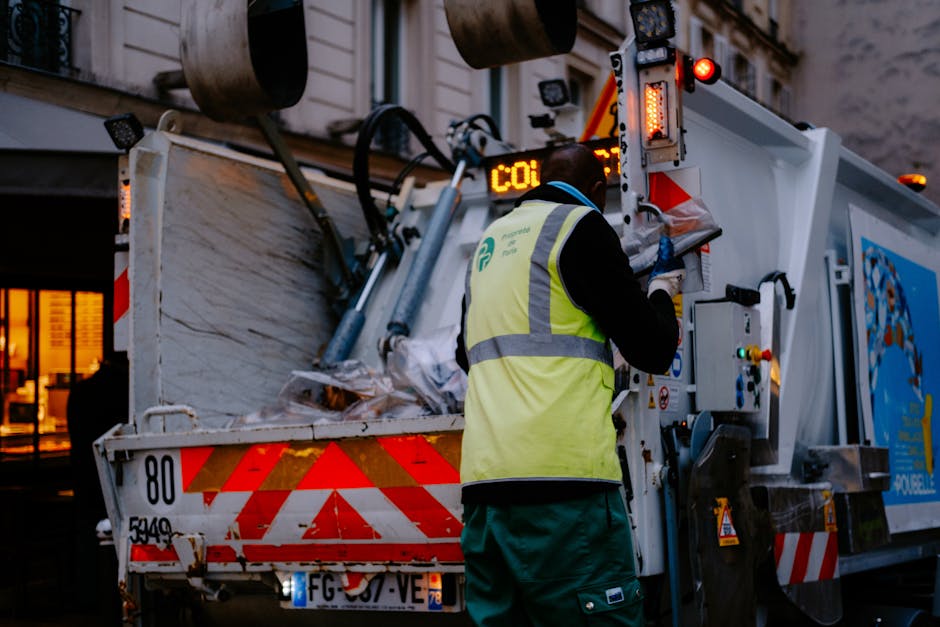
A worker wearing a high-visibility yellow vest with dark sleeves and green trousers is operating a waste collection vehicle on an urban street during dusk or early evening. The worker's back is visibl

If you've ever stared at a rubbish removal quote and thought, "That seems fine... but what am I actually paying for?", you're not alone. Hidden fees to watch for in UK rubbish removal quotes are one of the biggest reasons people end up annoyed, overcharged, or stuck comparing apples with pears. The headline price can look neat and tidy, then the extras start creeping in: labour, parking, congestion, loading time, disposal charges, VAT, waiting time, and the odd mystery surcharge that appears only after the van has arrived. Not ideal.

This guide breaks the whole thing down in plain English. You'll learn which fees are most commonly buried in rubbish removal quotes, how reputable providers usually structure pricing, what questions to ask before you book, and how to spot a quote that is genuinely transparent. We'll also cover practical steps, legal and environmental considerations, and a checklist you can use before you say yes. If you want a fair price without the unpleasant surprise at the kerbside, you're in the right place.

Why hidden fees matter

Rubbish removal is one of those services where the job can sound simple until you get into the details. A garage clear-out, a builder's sack pile, a broken sofa, a tired mattress, or a full garden tidy-up may all seem straightforward. But pricing in the waste sector often depends on volume, weight, access, labour, and disposal rules. That means a quote can be "cheap" on paper and expensive by the end of the job.

To be fair, not every extra charge is unfair. Some costs are perfectly legitimate if they are explained clearly up front. A collection from a third-floor flat with no lift takes longer than a curbside pick-up. A fridge or sofa may incur handling and disposal costs. The issue is not that extras exist. The issue is when they are hidden, vague, or only revealed once you are standing there with a half-full driveway and a team ready to load.

For households, landlords, letting agents, builders, and small businesses, that can mean budget blowouts and awkward conversations. It also affects trust. If a company is unclear about pricing, you naturally start wondering what else might be unclear. And honestly, that's a fair question.

Expert summary: the safest rubbish removal quote is not always the cheapest one. It is the one that explains volume, labour, access, disposal, and any extra charges in writing before the job starts.

If you're comparing providers, it helps to review their pricing and quotes information alongside the rest of the service details. Transparent companies tend to make their process easier to follow because they know that clarity saves time for everyone.

How rubbish removal quotes usually work

Most rubbish removal quotes in the UK are built around a few core inputs. Some companies price by van load, some by cubic yard or cubic metre, some by item, and some by a combination of visual estimate and final loading time. There is no single universal format, which is exactly why hidden fees can creep in.

Common ways quotes are calculated

  • Volume-based pricing: You pay according to how much space your waste takes up in the van.
  • Item-based pricing: Each item has a set price or a banded price.
  • Weight-sensitive pricing: Heavier waste can cost more because disposal charges vary.
  • Time-and-labour pricing: Labour is included for a set amount of time, then extra time is charged separately.
  • Mixed-model pricing: A base removal charge plus separate handling or disposal fees.

A proper quote should spell out which model is being used. If it doesn't, the final bill can feel like a moving target. Imagine booking a "full garden clearance" and then learning that bags, branches, soil, and awkward access are all separate. That's how a simple job becomes a surprising one.

Common hidden fees to look for

Here are the charges that are most often tucked away, blurred into vague wording, or introduced at the last minute:

  • Minimum load fees: Even if you only have a small amount, you may be charged for a minimum amount of van space.
  • Extra labour charges: If items are upstairs, heavy, blocked in, or need dismantling, labour may be added.
  • Access fees: Narrow streets, long carries, stairs, gated access, or restricted parking can increase the price.
  • Parking and permit costs: Especially relevant in busy urban areas where parking is a headache. London, naturally, can make this a little more interesting.
  • Congestion or zone charges: If applicable, these may be passed on to the customer.
  • Disposal or landfill fees: Some waste streams cost more to dispose of than others.
  • Mattress, fridge, tyre, or specialist item surcharges: Certain items can carry separate handling or processing costs.
  • Fuel surcharges: Less common in a transparent quote, but still worth checking.
  • Waiting time fees: If the crew has to wait for access, instructions, or keys, the clock may start ticking.
  • VAT: Sometimes left out of headline pricing, which can make the quote appear lower than it really is.

The key thing is this: a clear company will explain these costs before booking or at least before collection begins. A less careful one may bury them in fine print or toss them in after the job. Not fun.

Key benefits and practical advantages

Learning how hidden charges work is not just about saving a few pounds, although that is nice. It also helps you make better decisions, compare services more fairly, and avoid stress on collection day. There's a real practical benefit to knowing the rules of the game before you play it.

You can compare like for like

When you know what should be included, you can compare providers on the same basis. One quote might be lower because it excludes VAT, labour, or disposal. Another might look higher but already include everything. Without reading carefully, the cheaper option can easily become the more expensive one.

You reduce the risk of disagreement

Disputes often start with simple misunderstandings. The customer thought the quote covered one load and full labour. The provider thought access was easy and the job would take ten minutes. A few minutes spent checking the quote can save a lot of awkward back-and-forth later.

You protect your budget

This matters especially for landlords, trades, and anyone managing a move, renovation, or large clear-out. Once the removal date is fixed, there's usually no time to shop around again. Better to ask now than regret later.

You improve service quality, not just price

Transparent pricing often signals a more organised operation overall. A company that explains fees clearly is usually more comfortable explaining schedules, access needs, recycling processes, and what happens if something changes. That tends to make the whole experience calmer.

If you want to see how a clearer quote process should be explained, the pricing guidance on the site is a useful place to start. It helps set expectations before you commit.

Who this is for and when it makes sense

This advice is for pretty much anyone booking rubbish removal in the UK, but some people feel the pinch more than others.

  • Homeowners: Especially if you're clearing a house before a sale, moving, or decluttering a loft or garage.
  • Renters: If you need a fast clearance before handing back keys and don't want deposit issues.
  • Landlords and letting agents: Emptying a property after tenants move out can reveal all sorts of unexpected mess.
  • Tradespeople: Builders, decorators, and landscapers often need quick collections with clear cost control.
  • Small businesses: Office moves, shop refits, and stockroom clearances often need a reliable and predictable invoice.
  • Older or time-poor customers: If you cannot afford delays, surprises, or repeat visits, clear pricing matters even more.

It makes sense to pay extra for a service if that extra genuinely covers something real: difficult access, heavier waste, specialist items, or out-of-hours collection. What you want to avoid is paying extra for things that should already have been obvious from the quote stage.

There is also a trust angle here. If a company is careful with pricing, they are often careful with safety and waste handling too. You can learn more about that by checking the company's insurance and safety information and its health and safety policy. That is especially reassuring if you're booking a larger clearance or a job with access challenges.

Step-by-step guidance

Here's a practical way to review a rubbish removal quote without getting lost in the jargon. Keep it simple. Ask direct questions. Write the answers down if needed. Old-school, maybe, but it works.

Step 1: Ask what the quote actually includes

Start with the basics. Does the price include loading, labour, disposal, fuel, VAT, and any call-out charges? If the answer is "it depends", ask what it depends on. No shame in that.

Step 2: Describe the waste properly

Be specific. Tell them whether the waste includes furniture, bags of general rubbish, garden waste, soil, rubble, white goods, broken appliances, or mixed materials. A sofa and a stack of bagged cuttings do not behave the same way in a quote.

Step 3: Explain access honestly

Say whether the items are downstairs, upstairs, in a rear garden, in a loft, or parked in a tight street. Mention if parking is limited. If the crew has to carry items a long way, that can change the price. Best to be blunt now rather than apologetic later.

Step 4: Ask about item-specific charges

Fridges, freezers, mattresses, tyres, TVs, and other awkward items can have separate fees. That is not automatically a red flag. The warning sign is when those charges are not mentioned until the van is loaded.

Step 5: Confirm whether VAT is included

Some quotes are given exclusive of VAT. Others include it. If you do not ask, the final amount can jump more than expected. One tiny line item, and suddenly the quote does not feel so tiny.

Step 6: Request a written breakdown

A written quote is your best friend here. You want enough detail to understand the total and what could change it. A vague text message saying "yeah mate, around GBP180" is not the same as a clear quote.

Step 7: Ask what happens if the job changes

What if there is more waste than planned? What if access is harder than expected? What if there's a banned item or a pile of rubble hidden under the tarpaulin? Ask how adjustments are handled before the job starts.

Step 8: Check the payment terms

Make sure you understand when payment is due, what methods are accepted, and whether there are fees for card processing or late payment. If the company offers online payment, take a moment to review its payment and security information. It should make you feel more confident, not less.

Step 9: Clarify your cancellation rights and complaint route

If the quote or service is unclear, it helps to know how issues are handled. A sensible provider should have clear terms and a straightforward complaints process. You can review those details on the site's terms and conditions and complaints procedure pages.

Do this once, properly, and you'll usually spot the dodgy bits very quickly. It's not glamorous, but it is effective.

Expert tips for better results

After enough quote comparisons, a few patterns become obvious. The companies that win trust tend to be the ones that answer awkward questions without getting defensive. That alone tells you a lot.

Look for wording that is specific, not slippery

"All inclusive" is only useful if it actually includes all the things you care about. Ask for examples. Does it include labour? Is there a maximum number of items? Is waiting time included? Vague promises are where hidden fees like to hide.

Take photos, but don't rely on them alone

Photos help, especially for lofts, gardens, or bulky items. But they don't always show access restrictions, parking problems, or weight. If you have a rear alley, a locked gate, or a steep flight of stairs, say so in words as well. A picture is helpful. A picture plus a sentence is better.

Ask whether recycling or sorting changes the price

Some providers separate reusable, recyclable, and general waste as part of their service. Others may charge differently depending on how mixed the load is. If sustainability matters to you, ask how materials are handled and whether that affects cost. The company's recycling and sustainability information can also help you understand what happens after collection.

Get the price confirmation before the van arrives

If there's one small habit that saves a lot of trouble, it's this. Confirm the final price, or at least the pricing basis, before the team starts loading. Once your waste is on the truck, your bargaining position is basically gone. Let's not dress that up.

Be careful with "from" pricing

A quote that starts "from GBPX" is not bad on its own. It just means you need to understand the conditions attached. What size of load? What access? What waste type? What is the upper end likely to be? If they can't give a straight answer, keep looking.

Check whether customer support is easy to reach

If a company has a proper contact route, that is reassuring. In a pinch, quick access to support can make all the difference if the job changes. You can use the contact page to see how a professional provider presents its communication options.

Common mistakes to avoid

Most problems with rubbish removal quotes come down to rushing. People are busy, the mess is annoying, and the first decent-looking price feels tempting. Completely understandable. But that's also how extra charges sneak in.

  • Choosing the lowest quote without checking what is included.
  • Assuming VAT is included when it is not.
  • Forgetting to mention stairs, distance from vehicle, or parking issues.
  • Not checking item-specific charges for things like mattresses or appliances.
  • Accepting a verbal estimate as if it were a fixed price.
  • Leaving out photos or details about mixed waste.
  • Not asking what happens if the load is bigger than expected.
  • Ignoring payment terms until after collection.

One especially common mistake is comparing a cheap "per van load" figure against a quote that includes labour and disposal. They are not the same. Not even close. If you compare the wrong numbers, the whole exercise becomes misleading.

Another one: people often assume that "rubbish removal" and "skip hire" are priced the same way. They are not. Different models, different costs, different risks. If you're unsure, ask the provider to explain the pricing line by line. A good one will not mind.

Tools, resources and recommendations

You do not need fancy software to avoid hidden fees. A short checklist and a few practical habits are usually enough. Still, there are some useful things you can keep close at hand.

A simple comparison sheet

Create a quick table for each quote with columns for:

  • base price
  • VAT included or excluded
  • labour included
  • disposal included
  • item surcharges
  • access fees
  • parking or permit costs
  • payment terms
  • notes about exclusions

This makes differences visible at a glance. You will spot, very quickly, which provider is genuinely cheaper and which one just looks cheap.

Photos and measurements

Use your phone. Take a few clear images from different angles, plus rough measurements if you can. That helps with both waste volume and access planning. If there's a stack of garden waste in the rain and a narrow side passage, say so. The little things matter.

Written quote confirmation

Always prefer written confirmation over a call-only estimate. An email, message, or booking note is easier to review later. If a company can only give a vague oral estimate, that's a yellow flag at minimum.

Useful site pages to review before booking

Before you commit, it can help to read the provider's own policies and service information. For example, you may want to check who they are, how they handle insurance and safety, and how their recycling and sustainability approach works in practice. That gives you a much better feel for the operation behind the quote.

Law, compliance, standards, or best practice

Rubbish removal is not just a pricing issue. It also touches on waste handling, duty of care, safety, and responsible disposal. You do not need to be a compliance expert, but it helps to know what good practice looks like.

In the UK, a professional waste carrier should handle waste responsibly and dispose of it through proper channels. As a customer, you should expect a company to be clear about what it can take, what it cannot take, and how it manages different waste streams. If the quote seems oddly casual about disposal, that is worth a second look.

Best practice usually includes:

  • clear pricing in advance
  • transparent terms and conditions
  • safe loading and handling procedures
  • appropriate insurance
  • responsible recycling or disposal routes
  • clear complaint handling if something goes wrong

For your own protection, it is sensible to use a provider that explains these things openly. A well-run company will not mind. In fact, they will usually welcome it because it shows you know what you're looking for. If a provider also publishes details such as an accessibility statement or a privacy policy, that is often another sign of an organised business that cares about customer experience and information handling.

One more practical point: if a job involves heavy items, sharp materials, broken glass, or awkward lifting, safety should never be an afterthought. You want a service that treats the work as a managed task, not a quick scramble. That matters for both the crew and your property.

Options, methods, or comparison table

Different pricing structures suit different jobs. The trick is knowing which one fits your waste and which one leaves the door open to hidden extras.

Pricing methodBest forWhat to watch forRisk of hidden fees
Van-load pricingGeneral household or garden clearancesMinimum charges, access costs, VATMedium
Item-based pricingSingle bulky items or small clear-outsExtra labour, stairs, disposal surchargesMedium
Fixed-price quoteJobs with clear scope and good accessExclusions hidden in the small printLow to medium
Estimate with extrasUnusual or hard-to-assess jobsFinal price changes after inspectionHigh

A fixed-price quote is often the easiest to understand, but only if the scope is well defined. A van-load quote can be fair too, as long as the provider explains how the load is measured and what is included. The danger comes when the method is unclear. Ambiguity is expensive. Simple as that.

If you are unsure which model suits your job, ask the provider to describe exactly how they would price the waste in your situation. A good answer sounds practical and specific. A poor one sounds slippery.

Case study or real-world example

Here's a realistic example from the sort of job people book all the time. A homeowner in a terraced property needs a garage clear-out after years of storage: boxes, broken chairs, old paint tins, a mattress, and a heavy wardrobe panel. At first glance, it sounds like a small to medium job. Easy enough, right?

The first quote looks attractive because it is low. But when the homeowner asks a few questions, the details start to unravel. VAT is extra. The mattress has a surcharge. The crew will charge for two people and a longer carry from the back alley. There is also a parking issue because the street is busy mid-morning. Suddenly the bargain quote is no longer the bargain.

The second provider gives a slightly higher headline price, but it includes labour, disposal, and VAT. The access issue is discussed upfront. The mattress fee is stated clearly. Parking is explained. By the end, the total is actually easier to plan for, and there are no awkward surprises on collection day.

That sort of thing happens more often than people think. The lesson is not to avoid every extra charge. The lesson is to find the quote where the extras are honest, explainable, and visible before the van arrives. You sleep better that way, genuinely.

Practical checklist

Use this quick checklist before you accept any rubbish removal quote.

  • Have I been told whether VAT is included?
  • Does the quote include loading and labour?
  • Are disposal costs included?
  • Have I described the waste accurately?
  • Did I mention stairs, distance, gates, or parking issues?
  • Are there item-specific surcharges for mattresses, fridges, tyres, or appliances?
  • Is there a minimum charge?
  • Could waiting time be added later?
  • Is the quote written down?
  • Do I understand the payment terms?
  • Do I know what happens if the load turns out larger than expected?
  • Have I checked the provider's terms, safety, and complaints information?

If you can tick most of those off, you are in much better shape than the average customer. Not perfect, maybe, but properly prepared. And that counts for a lot.

Conclusion

Hidden fees to watch for in UK rubbish removal quotes usually fall into a handful of familiar categories: VAT, labour, access, parking, specialist items, disposal, and timing-related extras. Once you know where these costs tend to hide, the whole process becomes much easier to manage. You do not need to become suspicious of every provider. You just need a quote that is clear, written, and honest about what happens if the job changes.

In practice, the best approach is simple: describe the waste clearly, ask about exclusions, request the total in writing, and compare quotes on the same basis. That one habit can save money, time, and a fair bit of frustration. And if a company is transparent about pricing, safety, payment, and recycling, that's usually a good sign you're dealing with professionals rather than people hoping you won't ask questions.

Get a free quote today and see how much you can save.

And if you're still unsure, take your time. A careful decision now is better than a surprise invoice later, every single time.

Frequently asked questions

What hidden fees should I expect in a rubbish removal quote?

The most common ones are VAT, extra labour, access charges, parking costs, waiting time, disposal fees, and surcharges for specialist items like mattresses or fridges. Not every company adds them, but they're the main ones to ask about.

Is VAT usually included in UK rubbish removal quotes?

Not always. Some providers include VAT in the headline price, while others show it separately. Always ask, because a quote that looks cheaper may become more expensive once VAT is added.

Why do companies charge more for stairs or difficult access?

Because the job takes longer and usually needs more labour. If items have to be carried a long way, taken downstairs, or moved through awkward access points, the cost can reasonably go up.

Can a rubbish removal company change the price on the day?

They can sometimes adjust the price if the job is different from what was described. That is why it helps to be very clear about the waste, access, and any bulky items before booking.

How do I know if a quote is transparent?

A transparent quote explains what is included, what is excluded, and what could change the price. If the answer is vague, hard to pin down, or only given verbally, treat it carefully.

Are "from" prices misleading?

Not necessarily, but they do need context. A "from" price is only useful if the provider explains the load size, access conditions, and any likely extras that affect the final total.

Should I expect extra charges for mattresses or appliances?

Often, yes. Certain items can need separate handling or disposal processes, so it is normal for them to cost more. What matters is whether that cost is stated before collection.

What should I ask before accepting a quote?

Ask whether VAT is included, whether labour and disposal are covered, whether there are access or parking charges, and what happens if the job is larger than expected. Those four questions catch most surprises.

Is the cheapest rubbish removal quote the best option?

Not always. A very cheap quote may leave out important costs. The best option is usually the one that gives you the clearest total price for the actual job you need done.

What if the provider says they cannot give a fixed price?

That can happen on complex jobs. If so, ask what the estimate includes, what could change it, and whether there is a maximum likely cost. You should still be able to understand the pricing logic.

Do reputable rubbish removal companies explain recycling and disposal?

They usually should. Clear information about recycling and responsible disposal is a good sign, especially if you care about sustainability and want to know where your waste is going.

Where can I check a company's terms and policies before booking?

Look for its terms and conditions, privacy policy, payment information, safety details, and complaints process. Those pages help you judge how professionally the business is run before you hand over any money.
A worker wearing a high-visibility yellow vest with dark sleeves and green trousers is operating a waste collection vehicle on an urban street during dusk or early evening. The worker's back is visibl


Call Now!
Garden Clearance

Hidden fees to watch for in UK rubbish removal quotes

A worker wearing a high-visibility yellow vest with dark sleeves and green trousers is operating a waste collection vehicle on an urban street during dusk or early evening. The worker's back is visibl

If you've ever stared at a rubbish removal quote and thought, "That seems fine... but what am I actually paying for?", you're not alone. Hidden fees to watch for in UK rubbish removal quotes are one of the biggest reasons people end up annoyed, overcharged, or stuck comparing apples with pears. The headline price can look neat and tidy, then the extras start creeping in: labour, parking, congestion, loading time, disposal charges, VAT, waiting time, and the odd mystery surcharge that appears only after the van has arrived. Not ideal.

This guide breaks the whole thing down in plain English. You'll learn which fees are most commonly buried in rubbish removal quotes, how reputable providers usually structure pricing, what questions to ask before you book, and how to spot a quote that is genuinely transparent. We'll also cover practical steps, legal and environmental considerations, and a checklist you can use before you say yes. If you want a fair price without the unpleasant surprise at the kerbside, you're in the right place.

Why hidden fees matter

Rubbish removal is one of those services where the job can sound simple until you get into the details. A garage clear-out, a builder's sack pile, a broken sofa, a tired mattress, or a full garden tidy-up may all seem straightforward. But pricing in the waste sector often depends on volume, weight, access, labour, and disposal rules. That means a quote can be "cheap" on paper and expensive by the end of the job.

To be fair, not every extra charge is unfair. Some costs are perfectly legitimate if they are explained clearly up front. A collection from a third-floor flat with no lift takes longer than a curbside pick-up. A fridge or sofa may incur handling and disposal costs. The issue is not that extras exist. The issue is when they are hidden, vague, or only revealed once you are standing there with a half-full driveway and a team ready to load.

For households, landlords, letting agents, builders, and small businesses, that can mean budget blowouts and awkward conversations. It also affects trust. If a company is unclear about pricing, you naturally start wondering what else might be unclear. And honestly, that's a fair question.

Expert summary: the safest rubbish removal quote is not always the cheapest one. It is the one that explains volume, labour, access, disposal, and any extra charges in writing before the job starts.

If you're comparing providers, it helps to review their pricing and quotes information alongside the rest of the service details. Transparent companies tend to make their process easier to follow because they know that clarity saves time for everyone.

How rubbish removal quotes usually work

Most rubbish removal quotes in the UK are built around a few core inputs. Some companies price by van load, some by cubic yard or cubic metre, some by item, and some by a combination of visual estimate and final loading time. There is no single universal format, which is exactly why hidden fees can creep in.

Common ways quotes are calculated

  • Volume-based pricing: You pay according to how much space your waste takes up in the van.
  • Item-based pricing: Each item has a set price or a banded price.
  • Weight-sensitive pricing: Heavier waste can cost more because disposal charges vary.
  • Time-and-labour pricing: Labour is included for a set amount of time, then extra time is charged separately.
  • Mixed-model pricing: A base removal charge plus separate handling or disposal fees.

A proper quote should spell out which model is being used. If it doesn't, the final bill can feel like a moving target. Imagine booking a "full garden clearance" and then learning that bags, branches, soil, and awkward access are all separate. That's how a simple job becomes a surprising one.

Common hidden fees to look for

Here are the charges that are most often tucked away, blurred into vague wording, or introduced at the last minute:

  • Minimum load fees: Even if you only have a small amount, you may be charged for a minimum amount of van space.
  • Extra labour charges: If items are upstairs, heavy, blocked in, or need dismantling, labour may be added.
  • Access fees: Narrow streets, long carries, stairs, gated access, or restricted parking can increase the price.
  • Parking and permit costs: Especially relevant in busy urban areas where parking is a headache. London, naturally, can make this a little more interesting.
  • Congestion or zone charges: If applicable, these may be passed on to the customer.
  • Disposal or landfill fees: Some waste streams cost more to dispose of than others.
  • Mattress, fridge, tyre, or specialist item surcharges: Certain items can carry separate handling or processing costs.
  • Fuel surcharges: Less common in a transparent quote, but still worth checking.
  • Waiting time fees: If the crew has to wait for access, instructions, or keys, the clock may start ticking.
  • VAT: Sometimes left out of headline pricing, which can make the quote appear lower than it really is.

The key thing is this: a clear company will explain these costs before booking or at least before collection begins. A less careful one may bury them in fine print or toss them in after the job. Not fun.

Key benefits and practical advantages

Learning how hidden charges work is not just about saving a few pounds, although that is nice. It also helps you make better decisions, compare services more fairly, and avoid stress on collection day. There's a real practical benefit to knowing the rules of the game before you play it.

You can compare like for like

When you know what should be included, you can compare providers on the same basis. One quote might be lower because it excludes VAT, labour, or disposal. Another might look higher but already include everything. Without reading carefully, the cheaper option can easily become the more expensive one.

You reduce the risk of disagreement

Disputes often start with simple misunderstandings. The customer thought the quote covered one load and full labour. The provider thought access was easy and the job would take ten minutes. A few minutes spent checking the quote can save a lot of awkward back-and-forth later.

You protect your budget

This matters especially for landlords, trades, and anyone managing a move, renovation, or large clear-out. Once the removal date is fixed, there's usually no time to shop around again. Better to ask now than regret later.

You improve service quality, not just price

Transparent pricing often signals a more organised operation overall. A company that explains fees clearly is usually more comfortable explaining schedules, access needs, recycling processes, and what happens if something changes. That tends to make the whole experience calmer.

If you want to see how a clearer quote process should be explained, the pricing guidance on the site is a useful place to start. It helps set expectations before you commit.

Who this is for and when it makes sense

This advice is for pretty much anyone booking rubbish removal in the UK, but some people feel the pinch more than others.

  • Homeowners: Especially if you're clearing a house before a sale, moving, or decluttering a loft or garage.
  • Renters: If you need a fast clearance before handing back keys and don't want deposit issues.
  • Landlords and letting agents: Emptying a property after tenants move out can reveal all sorts of unexpected mess.
  • Tradespeople: Builders, decorators, and landscapers often need quick collections with clear cost control.
  • Small businesses: Office moves, shop refits, and stockroom clearances often need a reliable and predictable invoice.
  • Older or time-poor customers: If you cannot afford delays, surprises, or repeat visits, clear pricing matters even more.

It makes sense to pay extra for a service if that extra genuinely covers something real: difficult access, heavier waste, specialist items, or out-of-hours collection. What you want to avoid is paying extra for things that should already have been obvious from the quote stage.

There is also a trust angle here. If a company is careful with pricing, they are often careful with safety and waste handling too. You can learn more about that by checking the company's insurance and safety information and its health and safety policy. That is especially reassuring if you're booking a larger clearance or a job with access challenges.

Step-by-step guidance

Here's a practical way to review a rubbish removal quote without getting lost in the jargon. Keep it simple. Ask direct questions. Write the answers down if needed. Old-school, maybe, but it works.

Step 1: Ask what the quote actually includes

Start with the basics. Does the price include loading, labour, disposal, fuel, VAT, and any call-out charges? If the answer is "it depends", ask what it depends on. No shame in that.

Step 2: Describe the waste properly

Be specific. Tell them whether the waste includes furniture, bags of general rubbish, garden waste, soil, rubble, white goods, broken appliances, or mixed materials. A sofa and a stack of bagged cuttings do not behave the same way in a quote.

Step 3: Explain access honestly

Say whether the items are downstairs, upstairs, in a rear garden, in a loft, or parked in a tight street. Mention if parking is limited. If the crew has to carry items a long way, that can change the price. Best to be blunt now rather than apologetic later.

Step 4: Ask about item-specific charges

Fridges, freezers, mattresses, tyres, TVs, and other awkward items can have separate fees. That is not automatically a red flag. The warning sign is when those charges are not mentioned until the van is loaded.

Step 5: Confirm whether VAT is included

Some quotes are given exclusive of VAT. Others include it. If you do not ask, the final amount can jump more than expected. One tiny line item, and suddenly the quote does not feel so tiny.

Step 6: Request a written breakdown

A written quote is your best friend here. You want enough detail to understand the total and what could change it. A vague text message saying "yeah mate, around GBP180" is not the same as a clear quote.

Step 7: Ask what happens if the job changes

What if there is more waste than planned? What if access is harder than expected? What if there's a banned item or a pile of rubble hidden under the tarpaulin? Ask how adjustments are handled before the job starts.

Step 8: Check the payment terms

Make sure you understand when payment is due, what methods are accepted, and whether there are fees for card processing or late payment. If the company offers online payment, take a moment to review its payment and security information. It should make you feel more confident, not less.

Step 9: Clarify your cancellation rights and complaint route

If the quote or service is unclear, it helps to know how issues are handled. A sensible provider should have clear terms and a straightforward complaints process. You can review those details on the site's terms and conditions and complaints procedure pages.

Do this once, properly, and you'll usually spot the dodgy bits very quickly. It's not glamorous, but it is effective.

Expert tips for better results

After enough quote comparisons, a few patterns become obvious. The companies that win trust tend to be the ones that answer awkward questions without getting defensive. That alone tells you a lot.

Look for wording that is specific, not slippery

"All inclusive" is only useful if it actually includes all the things you care about. Ask for examples. Does it include labour? Is there a maximum number of items? Is waiting time included? Vague promises are where hidden fees like to hide.

Take photos, but don't rely on them alone

Photos help, especially for lofts, gardens, or bulky items. But they don't always show access restrictions, parking problems, or weight. If you have a rear alley, a locked gate, or a steep flight of stairs, say so in words as well. A picture is helpful. A picture plus a sentence is better.

Ask whether recycling or sorting changes the price

Some providers separate reusable, recyclable, and general waste as part of their service. Others may charge differently depending on how mixed the load is. If sustainability matters to you, ask how materials are handled and whether that affects cost. The company's recycling and sustainability information can also help you understand what happens after collection.

Get the price confirmation before the van arrives

If there's one small habit that saves a lot of trouble, it's this. Confirm the final price, or at least the pricing basis, before the team starts loading. Once your waste is on the truck, your bargaining position is basically gone. Let's not dress that up.

Be careful with "from" pricing

A quote that starts "from GBPX" is not bad on its own. It just means you need to understand the conditions attached. What size of load? What access? What waste type? What is the upper end likely to be? If they can't give a straight answer, keep looking.

Check whether customer support is easy to reach

If a company has a proper contact route, that is reassuring. In a pinch, quick access to support can make all the difference if the job changes. You can use the contact page to see how a professional provider presents its communication options.

Common mistakes to avoid

Most problems with rubbish removal quotes come down to rushing. People are busy, the mess is annoying, and the first decent-looking price feels tempting. Completely understandable. But that's also how extra charges sneak in.

  • Choosing the lowest quote without checking what is included.
  • Assuming VAT is included when it is not.
  • Forgetting to mention stairs, distance from vehicle, or parking issues.
  • Not checking item-specific charges for things like mattresses or appliances.
  • Accepting a verbal estimate as if it were a fixed price.
  • Leaving out photos or details about mixed waste.
  • Not asking what happens if the load is bigger than expected.
  • Ignoring payment terms until after collection.

One especially common mistake is comparing a cheap "per van load" figure against a quote that includes labour and disposal. They are not the same. Not even close. If you compare the wrong numbers, the whole exercise becomes misleading.

Another one: people often assume that "rubbish removal" and "skip hire" are priced the same way. They are not. Different models, different costs, different risks. If you're unsure, ask the provider to explain the pricing line by line. A good one will not mind.

Tools, resources and recommendations

You do not need fancy software to avoid hidden fees. A short checklist and a few practical habits are usually enough. Still, there are some useful things you can keep close at hand.

A simple comparison sheet

Create a quick table for each quote with columns for:

  • base price
  • VAT included or excluded
  • labour included
  • disposal included
  • item surcharges
  • access fees
  • parking or permit costs
  • payment terms
  • notes about exclusions

This makes differences visible at a glance. You will spot, very quickly, which provider is genuinely cheaper and which one just looks cheap.

Photos and measurements

Use your phone. Take a few clear images from different angles, plus rough measurements if you can. That helps with both waste volume and access planning. If there's a stack of garden waste in the rain and a narrow side passage, say so. The little things matter.

Written quote confirmation

Always prefer written confirmation over a call-only estimate. An email, message, or booking note is easier to review later. If a company can only give a vague oral estimate, that's a yellow flag at minimum.

Useful site pages to review before booking

Before you commit, it can help to read the provider's own policies and service information. For example, you may want to check who they are, how they handle insurance and safety, and how their recycling and sustainability approach works in practice. That gives you a much better feel for the operation behind the quote.

Law, compliance, standards, or best practice

Rubbish removal is not just a pricing issue. It also touches on waste handling, duty of care, safety, and responsible disposal. You do not need to be a compliance expert, but it helps to know what good practice looks like.

In the UK, a professional waste carrier should handle waste responsibly and dispose of it through proper channels. As a customer, you should expect a company to be clear about what it can take, what it cannot take, and how it manages different waste streams. If the quote seems oddly casual about disposal, that is worth a second look.

Best practice usually includes:

  • clear pricing in advance
  • transparent terms and conditions
  • safe loading and handling procedures
  • appropriate insurance
  • responsible recycling or disposal routes
  • clear complaint handling if something goes wrong

For your own protection, it is sensible to use a provider that explains these things openly. A well-run company will not mind. In fact, they will usually welcome it because it shows you know what you're looking for. If a provider also publishes details such as an accessibility statement or a privacy policy, that is often another sign of an organised business that cares about customer experience and information handling.

One more practical point: if a job involves heavy items, sharp materials, broken glass, or awkward lifting, safety should never be an afterthought. You want a service that treats the work as a managed task, not a quick scramble. That matters for both the crew and your property.

Options, methods, or comparison table

Different pricing structures suit different jobs. The trick is knowing which one fits your waste and which one leaves the door open to hidden extras.

Pricing methodBest forWhat to watch forRisk of hidden fees
Van-load pricingGeneral household or garden clearancesMinimum charges, access costs, VATMedium
Item-based pricingSingle bulky items or small clear-outsExtra labour, stairs, disposal surchargesMedium
Fixed-price quoteJobs with clear scope and good accessExclusions hidden in the small printLow to medium
Estimate with extrasUnusual or hard-to-assess jobsFinal price changes after inspectionHigh

A fixed-price quote is often the easiest to understand, but only if the scope is well defined. A van-load quote can be fair too, as long as the provider explains how the load is measured and what is included. The danger comes when the method is unclear. Ambiguity is expensive. Simple as that.

If you are unsure which model suits your job, ask the provider to describe exactly how they would price the waste in your situation. A good answer sounds practical and specific. A poor one sounds slippery.

Case study or real-world example

Here's a realistic example from the sort of job people book all the time. A homeowner in a terraced property needs a garage clear-out after years of storage: boxes, broken chairs, old paint tins, a mattress, and a heavy wardrobe panel. At first glance, it sounds like a small to medium job. Easy enough, right?

The first quote looks attractive because it is low. But when the homeowner asks a few questions, the details start to unravel. VAT is extra. The mattress has a surcharge. The crew will charge for two people and a longer carry from the back alley. There is also a parking issue because the street is busy mid-morning. Suddenly the bargain quote is no longer the bargain.

The second provider gives a slightly higher headline price, but it includes labour, disposal, and VAT. The access issue is discussed upfront. The mattress fee is stated clearly. Parking is explained. By the end, the total is actually easier to plan for, and there are no awkward surprises on collection day.

That sort of thing happens more often than people think. The lesson is not to avoid every extra charge. The lesson is to find the quote where the extras are honest, explainable, and visible before the van arrives. You sleep better that way, genuinely.

Practical checklist

Use this quick checklist before you accept any rubbish removal quote.

  • Have I been told whether VAT is included?
  • Does the quote include loading and labour?
  • Are disposal costs included?
  • Have I described the waste accurately?
  • Did I mention stairs, distance, gates, or parking issues?
  • Are there item-specific surcharges for mattresses, fridges, tyres, or appliances?
  • Is there a minimum charge?
  • Could waiting time be added later?
  • Is the quote written down?
  • Do I understand the payment terms?
  • Do I know what happens if the load turns out larger than expected?
  • Have I checked the provider's terms, safety, and complaints information?

If you can tick most of those off, you are in much better shape than the average customer. Not perfect, maybe, but properly prepared. And that counts for a lot.

Conclusion

Hidden fees to watch for in UK rubbish removal quotes usually fall into a handful of familiar categories: VAT, labour, access, parking, specialist items, disposal, and timing-related extras. Once you know where these costs tend to hide, the whole process becomes much easier to manage. You do not need to become suspicious of every provider. You just need a quote that is clear, written, and honest about what happens if the job changes.

In practice, the best approach is simple: describe the waste clearly, ask about exclusions, request the total in writing, and compare quotes on the same basis. That one habit can save money, time, and a fair bit of frustration. And if a company is transparent about pricing, safety, payment, and recycling, that's usually a good sign you're dealing with professionals rather than people hoping you won't ask questions.

Get a free quote today and see how much you can save.

And if you're still unsure, take your time. A careful decision now is better than a surprise invoice later, every single time.

Frequently asked questions

What hidden fees should I expect in a rubbish removal quote?

The most common ones are VAT, extra labour, access charges, parking costs, waiting time, disposal fees, and surcharges for specialist items like mattresses or fridges. Not every company adds them, but they're the main ones to ask about.

Is VAT usually included in UK rubbish removal quotes?

Not always. Some providers include VAT in the headline price, while others show it separately. Always ask, because a quote that looks cheaper may become more expensive once VAT is added.

Why do companies charge more for stairs or difficult access?

Because the job takes longer and usually needs more labour. If items have to be carried a long way, taken downstairs, or moved through awkward access points, the cost can reasonably go up.

Can a rubbish removal company change the price on the day?

They can sometimes adjust the price if the job is different from what was described. That is why it helps to be very clear about the waste, access, and any bulky items before booking.

How do I know if a quote is transparent?

A transparent quote explains what is included, what is excluded, and what could change the price. If the answer is vague, hard to pin down, or only given verbally, treat it carefully.

Are "from" prices misleading?

Not necessarily, but they do need context. A "from" price is only useful if the provider explains the load size, access conditions, and any likely extras that affect the final total.

Should I expect extra charges for mattresses or appliances?

Often, yes. Certain items can need separate handling or disposal processes, so it is normal for them to cost more. What matters is whether that cost is stated before collection.

What should I ask before accepting a quote?

Ask whether VAT is included, whether labour and disposal are covered, whether there are access or parking charges, and what happens if the job is larger than expected. Those four questions catch most surprises.

Is the cheapest rubbish removal quote the best option?

Not always. A very cheap quote may leave out important costs. The best option is usually the one that gives you the clearest total price for the actual job you need done.

What if the provider says they cannot give a fixed price?

That can happen on complex jobs. If so, ask what the estimate includes, what could change it, and whether there is a maximum likely cost. You should still be able to understand the pricing logic.

Do reputable rubbish removal companies explain recycling and disposal?

They usually should. Clear information about recycling and responsible disposal is a good sign, especially if you care about sustainability and want to know where your waste is going.

Where can I check a company's terms and policies before booking?

Look for its terms and conditions, privacy policy, payment information, safety details, and complaints process. Those pages help you judge how professionally the business is run before you hand over any money.

A worker wearing a high-visibility yellow vest with dark sleeves and green trousers is operating a waste collection vehicle on an urban street during dusk or early evening. The worker's back is visibl


Get In Touch With Us.

Please fill out the form and we will get back to you as soon as possible.