Do you need a waste transfer note? Practical UK guidance
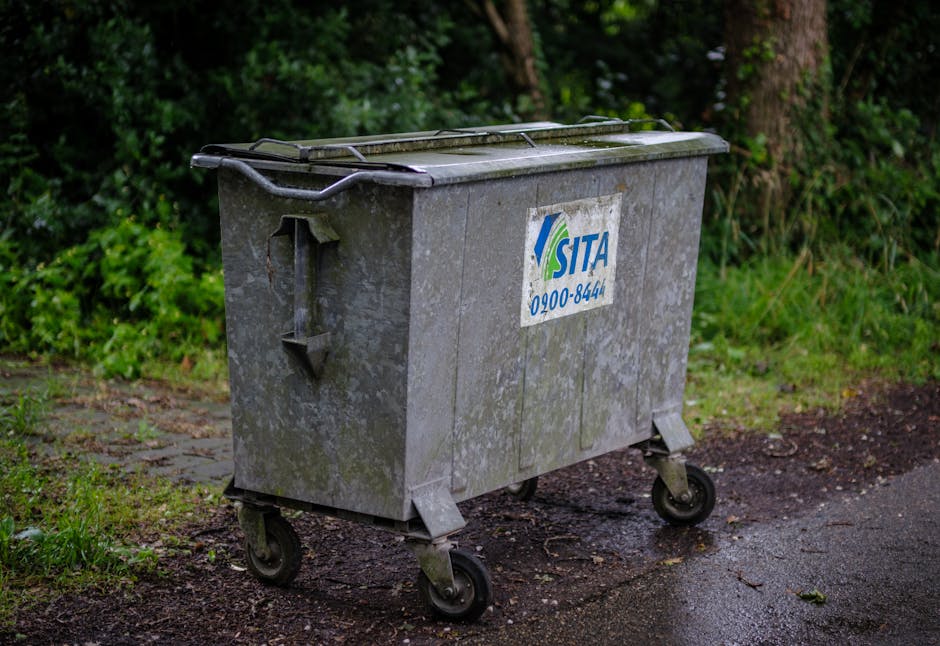
A large, rectangular metal waste bin with a closed, slightly weathered lid and four small black caster wheels, situated outdoors on a patch of ground that combines dirt and paving stones. The bin's su

If you're arranging rubbish removal, clearing a site, or passing waste to someone else, the question comes up fast: do you need a waste transfer note? Practical UK guidance matters here because the wrong assumption can leave you without the right paperwork, and that gets awkward very quickly. Not dramatic. Just messy, time-consuming, and avoidable.

In plain English, a waste transfer note is the record that shows waste has moved from one party to another legally and with the right description. For many households it never comes up. For businesses, landlords, tradespeople, offices, and anyone handling controlled waste, it often does. This guide walks through when it's needed, what it should contain, who is responsible, and how to keep things simple without getting buried in jargon.

You'll also see where a bit of planning saves a lot of faff later. Let's face it, waste paperwork is not the most exciting part of a job. But when an inspector, auditor, or customer asks for evidence, you'll be glad you sorted it.

Why Do you need a waste transfer note? Practical UK guidance Matters

A waste transfer note is not just admin for the sake of admin. It is the paper trail that shows waste has been passed on responsibly. That matters because waste has value, risk, and legal obligations attached to it. If you hand over waste and there is no clear record of what it was, who collected it, and where it was going, you lose control of the story. And sometimes the trail ends up pointing back at you.

For businesses, this is especially important. Waste duty of care in the UK is built around the idea that the person producing the waste must take reasonable steps to make sure it is handled properly. A waste transfer note is one of the clearest ways to show you did that. Even if you are not in the trade, the same logic applies when you manage a property, run an office, or organise regular collections.

In practical terms, a good waste transfer note helps answer a few simple questions:

  • What type of waste was transferred?
  • How much was there?
  • Who handed it over and who accepted it?
  • When did it move?
  • Was it mixed waste, recyclable waste, or something more specific?

That sounds basic, but in the real world waste loads can be a jumble of cardboard, old furniture, plasterboard, broken bits of office kit, and whatever else has piled up over time. Without a note, that mess becomes a compliance headache. With one, it stays manageable.

Expert takeaway: if waste is leaving your control as part of a business or professional activity, assume paperwork may be needed unless you have clearly confirmed otherwise. When in doubt, document it. That habit saves time later.

How Do you need a waste transfer note? Practical UK guidance Works

At a practical level, the process is simple. One party produces the waste, another party receives it, and the transfer is recorded. The note can be a paper document or a digital record, depending on how the job is run. The format matters less than the content being accurate and available when needed.

Most waste transfer notes include a description of the waste, the quantity, the relevant details of the parties involved, and the date of transfer. The description should be clear enough that the next person handling the waste knows what they are dealing with. "General rubbish" is usually too vague on its own. "Mixed office waste including paper, packaging, and broken plastic fixtures" is much more useful.

One thing people often miss: the note is not only about the collection day. It is about traceability. If a load later needs checking, the note should help connect the waste to the source and the collector. That is why accuracy matters more than fancy wording.

In many everyday situations, the transfer note is prepared by the waste producer and then acknowledged by the person collecting the waste. If a waste carrier is involved, their registration details may also need to be recorded or checked. For repeated transfers of the same type of waste, some businesses use a season ticket or periodic note instead of creating a new full note each time. That can be handy for regular collections, though it still needs proper control.

Here's the plain version:

  1. Identify the waste clearly.
  2. Decide whether it is a one-off transfer or part of a regular arrangement.
  3. Record the parties, date, and description.
  4. Make sure both sides understand what is being transferred.
  5. Keep the note safely for future reference.

That's the core of it. The paperwork may feel dull, but the process itself is not complicated once you've done it a couple of times.

Key Benefits and Practical Advantages

A waste transfer note does more than tick a compliance box. It can make the whole waste process easier to manage, especially if you deal with regular clearances or mixed loads. You may notice the difference most when something goes wrong and you need evidence quickly.

Benefit Why it helps in real life What people often overlook
Clear traceability Shows where waste came from and who received it Reduces confusion if a load is questioned later
Better compliance Supports duty-of-care obligations Can be crucial for audits or inspections
Cleaner handovers Both sides know what is being transferred Prevents "I thought you were taking that too" moments
Improved waste segregation Encourages better sorting and description Can help reduce contamination in recyclable streams
Records for future disputes Provides evidence if there is a later query Useful when several contractors are involved

There's another benefit that gets missed a lot: confidence. When your records are tidy, the rest of the job tends to feel tidier too. A site team that knows what's leaving, where it's going, and who has signed for it is usually a calmer team. Not glamorous, but true.

For businesses in particular, the note can support internal reporting and waste management planning. You start to see patterns. Too much bulky waste? Repeated collections of the same material? Perhaps the sourcing process or storage set-up needs a tweak. That sort of practical insight can be more valuable than people expect.

Who This Is For and When It Makes Sense

So, who actually needs a waste transfer note? The short answer is: anyone transferring controlled waste as part of a business, trade, or similar activity will usually need to consider it. That includes builders, landlords, offices, shops, facilities teams, letting agents, and many service businesses. If waste is leaving your control in a professional context, this section probably applies to you.

Typical examples include:

  • A shop clearing stockroom rubbish after a refit
  • An office disposing of desks, packaging, and old electronics
  • A landlord arranging clearance after a tenancy ends
  • A builder removing rubble, timber, and packaging from a job
  • A facilities manager organising regular collections from a workplace

For householders, the picture is different. If you are simply having domestic waste collected, the paperwork is usually handled by the service provider under their own process. But if you are running a home business, clearing out items in a commercial context, or dealing with mixed waste linked to work activity, the line can blur. That is where people get caught out.

If you use a professional service such as rubbish removal, waste removal, or business waste removal, it is sensible to ask how the transfer is recorded. A reputable operator should be able to explain the paperwork process in straightforward terms, without the eye-rolling and vague hand-waving that nobody has time for.

There are also situations where a note may be especially sensible even if the job seems small. A single van load of mixed office furniture, for example, can still involve traceability and proof of responsible disposal. The same goes for clearances involving old appliances, mattresses, or large items that need a clear route through recycling or disposal channels.

Step-by-Step Guidance

If you want the practical version, use this process. It works for one-off jobs and regular collections, and it keeps the paperwork grounded in the reality of the waste rather than some abstract template.

1. Identify what is being transferred

Start by listing the waste type as clearly as possible. Don't just say "junk" or "general waste". Note whether it is furniture, garden waste, building waste, office waste, white goods, or a mixed load. If the waste contains anything that needs special handling, make a note of that too.

2. Decide whether it is a one-off or repeated transfer

A single clearance usually needs a straightforward note. Regular collections may use a seasonal or periodic arrangement. That is handy for sites that generate waste continuously, but the arrangement should still be clear enough to show what is covered and over what period. A bit of common sense helps here.

3. Record the key details

The note should normally include:

  • The date of transfer
  • The names and addresses of the parties involved
  • A description of the waste
  • The quantity or volume, where useful
  • Any relevant carrier or registration details
  • How the waste is being managed

Keep it readable. If someone else has to make sense of it six months later, they should not need a decoder ring.

4. Check the waste carrier

Before waste is handed over, confirm the collector is legitimate and set up for the type of waste involved. This is one of those basic checks that takes a minute and prevents a lot of grief. A proper arrangement should feel organised, not improvised.

5. Sign or acknowledge the transfer

Both parties should understand and accept the transfer. If digital records are used, make sure the acknowledgement is saved. If paper is used, keep it somewhere safe and easy to retrieve. "Somewhere safe" should not mean the glove box under a parking ticket and a half-eaten granola bar.

6. Keep the record for the required period

Record-keeping matters because waste issues are often not obvious on the day. A query might appear much later. Keep the note in line with the relevant expectations for your business or contract arrangement, and make sure the record is accessible rather than buried in a chaotic inbox.

If you're managing waste from a property or site where bulky items are common, it can help to pair the note with a broader clearance plan. Services such as house clearance, office clearance, or builders waste clearance often work best when the paperwork and the physical removal are planned together. That way the morning starts smoothly, not with three people asking where the old sofa went.

Expert Tips for Better Results

A lot of waste paperwork problems come from rush jobs. To be fair, that is understandable. Waste clearances often happen during busy moves, refurbishments, or end-of-tenancy deadlines. Still, a few habits make a noticeable difference.

  • Use plain language. Describe the waste so someone unfamiliar with the site can understand it.
  • Separate mixed loads where possible. The cleaner the load, the easier it is to document and route correctly.
  • Keep one master record system. Whether digital or paper, use one place consistently. Scattered records become a headache fast.
  • Match the note to the job. A small furniture collection does not need overcomplicated wording, but it does need enough detail to be useful.
  • Ask questions before collection day. If you are unsure whether a load needs extra detail, sort it out before the truck arrives and the driveway is blocked.

Here's a small but useful one: take a quick photo of the waste load before collection if your process allows it. It is not a substitute for proper documentation, but it can help jog memory later if someone queries what was included. Nothing fancy. Just a practical backup.

If your site generates recurring bulky waste, look at the bigger picture too. For example, a business arranging regular bulk waste collection or bulky waste collection may benefit from a simple checklist for staff. That way everyone uses the same descriptions and nobody guesses at category names. Guessing is the enemy here, honestly.

Common Mistakes to Avoid

Most mistakes are not malicious. They are just the result of people assuming the note is optional, or assuming someone else has already sorted it. That is where trouble begins.

Watch out for these common issues:

  • Using vague waste descriptions. "Rubbish" is too broad in most business contexts.
  • Not recording both parties. If the transfer can't be traced, the record loses value.
  • Leaving the note until after collection. By then details have already gone fuzzy.
  • Mixing domestic and business waste without checking. This causes confusion over whether documentation is needed and who is responsible.
  • Assuming the carrier will do everything. Responsibility is shared, not magically shifted away.
  • Failing to store records properly. A missing note is almost as unhelpful as no note at all.

One of the more annoying mistakes is overconfidence. Someone says, "We always do it this way," and then, three months later, everyone is staring at a file and nobody can explain the load. It happens more often than people admit. The fix is boring but effective: write it down properly the first time.

Tools, Resources and Recommendations

You do not need a complicated system to manage waste transfer notes well. In fact, simple usually wins. A clean digital template, a dedicated folder structure, and a basic job checklist can go a long way. If your business handles several jobs a week, a shared digital process may be easier than loose paper forms drifting around vans and desks.

Useful internal resources on this site include:

  • waste clearance for broader clearance planning
  • waste collection if you need routine pickup support
  • waste disposal for end-point handling questions
  • recycling and sustainability if your goal is to improve recovery and diversion
  • pricing and quotes when you're comparing job costs and inclusions

For practical day-to-day use, the best tools are often the simplest:

  1. A standard note template with the required fields already set out
  2. A checklist for drivers or site teams
  3. A naming system for saved records
  4. A habit of checking waste descriptions before the collection vehicle arrives

If you are handling bulky household items, you might also want to compare dedicated services such as furniture disposal, sofa removal, mattress disposal, or white goods recycle. The more specific the item, the easier it is to keep the record accurate and the job efficient.

Law, Compliance, Standards and Best Practice

This is the part where a bit of caution helps. Waste transfer notes sit within wider UK waste duty-of-care expectations, and those expectations can vary depending on the type of waste, the source, and the arrangements in place. The safe approach is to treat documentation as a normal part of responsible waste handling rather than as an optional extra.

Best practice generally means:

  • Describing waste clearly and truthfully
  • Checking the collector is authorised for the work
  • Keeping records available for inspection or review
  • Separating different waste types where appropriate
  • Using a consistent process across jobs and teams

If you operate a business, you should also think about how waste records fit alongside other operational policies. For example, if you already have a health and safety policy, the waste process should slot into it rather than sit off to one side. The same goes for insurance and safety arrangements, particularly when heavy lifting, vehicle access, or mixed material handling is involved.

There is also a practical compliance angle that people tend to underplay: consistency. If every team member records waste differently, the business may still be trying to work out what happened even when the waste has already left the site. Standardising the process is a small effort with a big pay-off. It just makes life easier.

For organisations with regular collections, a documented process should also support staff training. A new team member can follow the same steps without having to guess what "the usual thing" means. That is a very human problem, by the way. Everyone thinks "usual" means the same thing until it doesn't.

Options, Methods, or Comparison Table

There is more than one way to manage the paperwork. The best option depends on how often you generate waste, how complex the waste stream is, and how many people are involved in the handover.

Method Best for Pros Cons
Paper waste transfer note Small teams, one-off jobs, sites that prefer hard copies Simple, tangible, easy to sign on the spot Can be lost or damaged
Digital note or record Recurring jobs, larger businesses, multi-site operators Easy to store, search, and share Requires a reliable process and access to files
Periodic or season-style record Regular transfers of similar waste Reduces repetition and admin time Needs careful control so it stays accurate
Informal note only Not recommended except where documentation is genuinely unnecessary Quick Weak traceability and higher risk of non-compliance

For many readers, the best answer is not "paper or digital?" but "which method will my team actually use properly?" That is the real test. A brilliant system nobody follows is worse than a simple one everybody understands.

Case Study or Real-World Example

Picture a small office in west London clearing out after a move. There are old desks, a few broken chairs, boxes of paper files, and a couple of bulky items that have been sitting in a corner for months. Nothing unusual, really. The team books a clearance service and assumes the paperwork will be handled automatically.

On collection day, the driver asks what exactly is going. One person says "office rubbish". Another says "mostly furniture". A third thinks the boxed files are part of it too. The load gets sorted out, but the descriptions are muddy. Later, the office manager needs confirmation for internal records and realises the notes are not as clear as they should be.

Now imagine the same job, handled properly from the start:

  • The team lists the items before collection
  • They separate furniture, paper, and mixed waste where possible
  • The transfer note uses clear descriptions
  • The collector confirms what is being taken
  • The record is saved the same day

The actual collection takes about the same amount of time. Maybe less, because nobody is arguing over which pile counts as what. The difference is in the aftermath. One version creates uncertainty; the other creates proof and clarity. Small thing? Maybe. But when you are closing down a site or answering a query two weeks later, it matters a lot.

That same logic applies to household-related services too. If a family is having a large clear-out before a move, a provider handling home clearance or flat clearance can make the process smoother when the item list is agreed in advance. The paperwork becomes almost invisible, which is exactly how good admin should feel.

Practical Checklist

Use this checklist before any waste transfer. It is simple on purpose.

  • Have I identified the waste type clearly?
  • Do I know whether this is business, trade, or domestic waste?
  • Is the collector appropriate for the waste involved?
  • Have I recorded the date of transfer?
  • Have I noted the parties involved?
  • Is the description specific enough to be useful later?
  • Have I separated different waste streams where possible?
  • Do I know where the note will be stored?
  • Can I retrieve the record quickly if needed?
  • Has everyone involved understood what is being transferred?

If you can tick those off, you are in a much better place. And if one or two are missing, fix them before collection day if possible. It is a lot easier than chasing paperwork later.

Conclusion

So, do you need a waste transfer note? Practical UK guidance boils down to this: if waste is being handed over in a business or controlled context, the answer is often yes, or at least "you should check carefully". The note is there to protect traceability, support compliance, and give everyone involved a clearer handover.

It does not need to be complicated. In fact, the best waste transfer process is usually the one that feels almost boring because it's so clear. Simple description, clear responsibility, tidy records, done. That's the goal.

If you are organising a clearance, comparing collection options, or just trying to avoid a last-minute paperwork scramble, start with the waste description and the handover process. The rest gets easier from there.

Get a free quote today and see how much you can save.

And if you take nothing else away from this, remember: a neat record today can save a very untidy conversation tomorrow.

Frequently Asked Questions

What is a waste transfer note in simple terms?

A waste transfer note is a written record showing that waste has been transferred from one person or business to another. It usually includes the waste description, the date, and details of the parties involved.

Do I need a waste transfer note for domestic rubbish?

Usually not in the same way a business does, but it depends on the situation. If the waste is purely household rubbish handled through a domestic service, the provider may manage the relevant records. If the waste is linked to a business activity, extra care is needed.

Who is responsible for the waste transfer note?

Responsibility is typically shared between the party producing the waste and the party receiving it. The producer should make sure the waste is described correctly, and the collector should be properly authorised and able to accept it.

Can a waste transfer note be digital?

Yes. Digital records are widely used and can be easier to store and retrieve than paper copies. The key is that the information is accurate, complete, and kept safely.

How detailed does the waste description need to be?

Detailed enough to identify the type of waste clearly. A vague label like "rubbish" is often not enough. It is better to say what the waste actually is, such as mixed office waste, furniture, or builders' waste.

Do small businesses need waste transfer notes?

Often yes, if they are transferring controlled waste as part of their business. Small businesses should not assume they are exempt just because the volume is low. The nature of the waste and the arrangement matter more than company size alone.

How long should I keep a waste transfer note?

Keep it for as long as your business process or regulatory expectations require. Many organisations keep records for a meaningful audit trail, especially where waste is collected regularly. If in doubt, retain them securely rather than throwing them away too soon.

What happens if I do not have one when I should?

Missing records can create compliance problems and make it harder to prove that waste was handled properly. It can also make disputes or audits much more difficult to deal with. Best to avoid that situation entirely.

Is a waste transfer note the same as a waste carrier licence?

No. A waste transfer note is the record of the transfer. A waste carrier licence or registration relates to whether the collector is authorised to carry waste. They are related, but they are not the same thing.

Do I need a new note every time waste is collected?

Not always. Repeated collections of similar waste may be covered by a periodic or season-style arrangement. The right approach depends on the setup and how the waste is being transferred.

What if the waste is mixed and hard to describe?

Describe the main components as clearly as you can and separate materials where possible. If the load includes several different waste types, break them down rather than using one broad label. That usually makes the record more useful and more accurate.

Can my waste removal company help with the paperwork?

Yes, many professional services will help explain what is needed and how the transfer is recorded. It is still worth checking the details yourself, though. A quick conversation before collection day can save a lot of confusion later.

A large, rectangular metal waste bin with a closed, slightly weathered lid and four small black caster wheels, situated outdoors on a patch of ground that combines dirt and paving stones. The bin's su


Call Now!
Garden Clearance

Do you need a waste transfer note? Practical UK guidance

A large, rectangular metal waste bin with a closed, slightly weathered lid and four small black caster wheels, situated outdoors on a patch of ground that combines dirt and paving stones. The bin's su

If you're arranging rubbish removal, clearing a site, or passing waste to someone else, the question comes up fast: do you need a waste transfer note? Practical UK guidance matters here because the wrong assumption can leave you without the right paperwork, and that gets awkward very quickly. Not dramatic. Just messy, time-consuming, and avoidable.

In plain English, a waste transfer note is the record that shows waste has moved from one party to another legally and with the right description. For many households it never comes up. For businesses, landlords, tradespeople, offices, and anyone handling controlled waste, it often does. This guide walks through when it's needed, what it should contain, who is responsible, and how to keep things simple without getting buried in jargon.

You'll also see where a bit of planning saves a lot of faff later. Let's face it, waste paperwork is not the most exciting part of a job. But when an inspector, auditor, or customer asks for evidence, you'll be glad you sorted it.

Why Do you need a waste transfer note? Practical UK guidance Matters

A waste transfer note is not just admin for the sake of admin. It is the paper trail that shows waste has been passed on responsibly. That matters because waste has value, risk, and legal obligations attached to it. If you hand over waste and there is no clear record of what it was, who collected it, and where it was going, you lose control of the story. And sometimes the trail ends up pointing back at you.

For businesses, this is especially important. Waste duty of care in the UK is built around the idea that the person producing the waste must take reasonable steps to make sure it is handled properly. A waste transfer note is one of the clearest ways to show you did that. Even if you are not in the trade, the same logic applies when you manage a property, run an office, or organise regular collections.

In practical terms, a good waste transfer note helps answer a few simple questions:

  • What type of waste was transferred?
  • How much was there?
  • Who handed it over and who accepted it?
  • When did it move?
  • Was it mixed waste, recyclable waste, or something more specific?

That sounds basic, but in the real world waste loads can be a jumble of cardboard, old furniture, plasterboard, broken bits of office kit, and whatever else has piled up over time. Without a note, that mess becomes a compliance headache. With one, it stays manageable.

Expert takeaway: if waste is leaving your control as part of a business or professional activity, assume paperwork may be needed unless you have clearly confirmed otherwise. When in doubt, document it. That habit saves time later.

How Do you need a waste transfer note? Practical UK guidance Works

At a practical level, the process is simple. One party produces the waste, another party receives it, and the transfer is recorded. The note can be a paper document or a digital record, depending on how the job is run. The format matters less than the content being accurate and available when needed.

Most waste transfer notes include a description of the waste, the quantity, the relevant details of the parties involved, and the date of transfer. The description should be clear enough that the next person handling the waste knows what they are dealing with. "General rubbish" is usually too vague on its own. "Mixed office waste including paper, packaging, and broken plastic fixtures" is much more useful.

One thing people often miss: the note is not only about the collection day. It is about traceability. If a load later needs checking, the note should help connect the waste to the source and the collector. That is why accuracy matters more than fancy wording.

In many everyday situations, the transfer note is prepared by the waste producer and then acknowledged by the person collecting the waste. If a waste carrier is involved, their registration details may also need to be recorded or checked. For repeated transfers of the same type of waste, some businesses use a season ticket or periodic note instead of creating a new full note each time. That can be handy for regular collections, though it still needs proper control.

Here's the plain version:

  1. Identify the waste clearly.
  2. Decide whether it is a one-off transfer or part of a regular arrangement.
  3. Record the parties, date, and description.
  4. Make sure both sides understand what is being transferred.
  5. Keep the note safely for future reference.

That's the core of it. The paperwork may feel dull, but the process itself is not complicated once you've done it a couple of times.

Key Benefits and Practical Advantages

A waste transfer note does more than tick a compliance box. It can make the whole waste process easier to manage, especially if you deal with regular clearances or mixed loads. You may notice the difference most when something goes wrong and you need evidence quickly.

Benefit Why it helps in real life What people often overlook
Clear traceability Shows where waste came from and who received it Reduces confusion if a load is questioned later
Better compliance Supports duty-of-care obligations Can be crucial for audits or inspections
Cleaner handovers Both sides know what is being transferred Prevents "I thought you were taking that too" moments
Improved waste segregation Encourages better sorting and description Can help reduce contamination in recyclable streams
Records for future disputes Provides evidence if there is a later query Useful when several contractors are involved

There's another benefit that gets missed a lot: confidence. When your records are tidy, the rest of the job tends to feel tidier too. A site team that knows what's leaving, where it's going, and who has signed for it is usually a calmer team. Not glamorous, but true.

For businesses in particular, the note can support internal reporting and waste management planning. You start to see patterns. Too much bulky waste? Repeated collections of the same material? Perhaps the sourcing process or storage set-up needs a tweak. That sort of practical insight can be more valuable than people expect.

Who This Is For and When It Makes Sense

So, who actually needs a waste transfer note? The short answer is: anyone transferring controlled waste as part of a business, trade, or similar activity will usually need to consider it. That includes builders, landlords, offices, shops, facilities teams, letting agents, and many service businesses. If waste is leaving your control in a professional context, this section probably applies to you.

Typical examples include:

  • A shop clearing stockroom rubbish after a refit
  • An office disposing of desks, packaging, and old electronics
  • A landlord arranging clearance after a tenancy ends
  • A builder removing rubble, timber, and packaging from a job
  • A facilities manager organising regular collections from a workplace

For householders, the picture is different. If you are simply having domestic waste collected, the paperwork is usually handled by the service provider under their own process. But if you are running a home business, clearing out items in a commercial context, or dealing with mixed waste linked to work activity, the line can blur. That is where people get caught out.

If you use a professional service such as rubbish removal, waste removal, or business waste removal, it is sensible to ask how the transfer is recorded. A reputable operator should be able to explain the paperwork process in straightforward terms, without the eye-rolling and vague hand-waving that nobody has time for.

There are also situations where a note may be especially sensible even if the job seems small. A single van load of mixed office furniture, for example, can still involve traceability and proof of responsible disposal. The same goes for clearances involving old appliances, mattresses, or large items that need a clear route through recycling or disposal channels.

Step-by-Step Guidance

If you want the practical version, use this process. It works for one-off jobs and regular collections, and it keeps the paperwork grounded in the reality of the waste rather than some abstract template.

1. Identify what is being transferred

Start by listing the waste type as clearly as possible. Don't just say "junk" or "general waste". Note whether it is furniture, garden waste, building waste, office waste, white goods, or a mixed load. If the waste contains anything that needs special handling, make a note of that too.

2. Decide whether it is a one-off or repeated transfer

A single clearance usually needs a straightforward note. Regular collections may use a seasonal or periodic arrangement. That is handy for sites that generate waste continuously, but the arrangement should still be clear enough to show what is covered and over what period. A bit of common sense helps here.

3. Record the key details

The note should normally include:

  • The date of transfer
  • The names and addresses of the parties involved
  • A description of the waste
  • The quantity or volume, where useful
  • Any relevant carrier or registration details
  • How the waste is being managed

Keep it readable. If someone else has to make sense of it six months later, they should not need a decoder ring.

4. Check the waste carrier

Before waste is handed over, confirm the collector is legitimate and set up for the type of waste involved. This is one of those basic checks that takes a minute and prevents a lot of grief. A proper arrangement should feel organised, not improvised.

5. Sign or acknowledge the transfer

Both parties should understand and accept the transfer. If digital records are used, make sure the acknowledgement is saved. If paper is used, keep it somewhere safe and easy to retrieve. "Somewhere safe" should not mean the glove box under a parking ticket and a half-eaten granola bar.

6. Keep the record for the required period

Record-keeping matters because waste issues are often not obvious on the day. A query might appear much later. Keep the note in line with the relevant expectations for your business or contract arrangement, and make sure the record is accessible rather than buried in a chaotic inbox.

If you're managing waste from a property or site where bulky items are common, it can help to pair the note with a broader clearance plan. Services such as house clearance, office clearance, or builders waste clearance often work best when the paperwork and the physical removal are planned together. That way the morning starts smoothly, not with three people asking where the old sofa went.

Expert Tips for Better Results

A lot of waste paperwork problems come from rush jobs. To be fair, that is understandable. Waste clearances often happen during busy moves, refurbishments, or end-of-tenancy deadlines. Still, a few habits make a noticeable difference.

  • Use plain language. Describe the waste so someone unfamiliar with the site can understand it.
  • Separate mixed loads where possible. The cleaner the load, the easier it is to document and route correctly.
  • Keep one master record system. Whether digital or paper, use one place consistently. Scattered records become a headache fast.
  • Match the note to the job. A small furniture collection does not need overcomplicated wording, but it does need enough detail to be useful.
  • Ask questions before collection day. If you are unsure whether a load needs extra detail, sort it out before the truck arrives and the driveway is blocked.

Here's a small but useful one: take a quick photo of the waste load before collection if your process allows it. It is not a substitute for proper documentation, but it can help jog memory later if someone queries what was included. Nothing fancy. Just a practical backup.

If your site generates recurring bulky waste, look at the bigger picture too. For example, a business arranging regular bulk waste collection or bulky waste collection may benefit from a simple checklist for staff. That way everyone uses the same descriptions and nobody guesses at category names. Guessing is the enemy here, honestly.

Common Mistakes to Avoid

Most mistakes are not malicious. They are just the result of people assuming the note is optional, or assuming someone else has already sorted it. That is where trouble begins.

Watch out for these common issues:

  • Using vague waste descriptions. "Rubbish" is too broad in most business contexts.
  • Not recording both parties. If the transfer can't be traced, the record loses value.
  • Leaving the note until after collection. By then details have already gone fuzzy.
  • Mixing domestic and business waste without checking. This causes confusion over whether documentation is needed and who is responsible.
  • Assuming the carrier will do everything. Responsibility is shared, not magically shifted away.
  • Failing to store records properly. A missing note is almost as unhelpful as no note at all.

One of the more annoying mistakes is overconfidence. Someone says, "We always do it this way," and then, three months later, everyone is staring at a file and nobody can explain the load. It happens more often than people admit. The fix is boring but effective: write it down properly the first time.

Tools, Resources and Recommendations

You do not need a complicated system to manage waste transfer notes well. In fact, simple usually wins. A clean digital template, a dedicated folder structure, and a basic job checklist can go a long way. If your business handles several jobs a week, a shared digital process may be easier than loose paper forms drifting around vans and desks.

Useful internal resources on this site include:

  • waste clearance for broader clearance planning
  • waste collection if you need routine pickup support
  • waste disposal for end-point handling questions
  • recycling and sustainability if your goal is to improve recovery and diversion
  • pricing and quotes when you're comparing job costs and inclusions

For practical day-to-day use, the best tools are often the simplest:

  1. A standard note template with the required fields already set out
  2. A checklist for drivers or site teams
  3. A naming system for saved records
  4. A habit of checking waste descriptions before the collection vehicle arrives

If you are handling bulky household items, you might also want to compare dedicated services such as furniture disposal, sofa removal, mattress disposal, or white goods recycle. The more specific the item, the easier it is to keep the record accurate and the job efficient.

Law, Compliance, Standards and Best Practice

This is the part where a bit of caution helps. Waste transfer notes sit within wider UK waste duty-of-care expectations, and those expectations can vary depending on the type of waste, the source, and the arrangements in place. The safe approach is to treat documentation as a normal part of responsible waste handling rather than as an optional extra.

Best practice generally means:

  • Describing waste clearly and truthfully
  • Checking the collector is authorised for the work
  • Keeping records available for inspection or review
  • Separating different waste types where appropriate
  • Using a consistent process across jobs and teams

If you operate a business, you should also think about how waste records fit alongside other operational policies. For example, if you already have a health and safety policy, the waste process should slot into it rather than sit off to one side. The same goes for insurance and safety arrangements, particularly when heavy lifting, vehicle access, or mixed material handling is involved.

There is also a practical compliance angle that people tend to underplay: consistency. If every team member records waste differently, the business may still be trying to work out what happened even when the waste has already left the site. Standardising the process is a small effort with a big pay-off. It just makes life easier.

For organisations with regular collections, a documented process should also support staff training. A new team member can follow the same steps without having to guess what "the usual thing" means. That is a very human problem, by the way. Everyone thinks "usual" means the same thing until it doesn't.

Options, Methods, or Comparison Table

There is more than one way to manage the paperwork. The best option depends on how often you generate waste, how complex the waste stream is, and how many people are involved in the handover.

Method Best for Pros Cons
Paper waste transfer note Small teams, one-off jobs, sites that prefer hard copies Simple, tangible, easy to sign on the spot Can be lost or damaged
Digital note or record Recurring jobs, larger businesses, multi-site operators Easy to store, search, and share Requires a reliable process and access to files
Periodic or season-style record Regular transfers of similar waste Reduces repetition and admin time Needs careful control so it stays accurate
Informal note only Not recommended except where documentation is genuinely unnecessary Quick Weak traceability and higher risk of non-compliance

For many readers, the best answer is not "paper or digital?" but "which method will my team actually use properly?" That is the real test. A brilliant system nobody follows is worse than a simple one everybody understands.

Case Study or Real-World Example

Picture a small office in west London clearing out after a move. There are old desks, a few broken chairs, boxes of paper files, and a couple of bulky items that have been sitting in a corner for months. Nothing unusual, really. The team books a clearance service and assumes the paperwork will be handled automatically.

On collection day, the driver asks what exactly is going. One person says "office rubbish". Another says "mostly furniture". A third thinks the boxed files are part of it too. The load gets sorted out, but the descriptions are muddy. Later, the office manager needs confirmation for internal records and realises the notes are not as clear as they should be.

Now imagine the same job, handled properly from the start:

  • The team lists the items before collection
  • They separate furniture, paper, and mixed waste where possible
  • The transfer note uses clear descriptions
  • The collector confirms what is being taken
  • The record is saved the same day

The actual collection takes about the same amount of time. Maybe less, because nobody is arguing over which pile counts as what. The difference is in the aftermath. One version creates uncertainty; the other creates proof and clarity. Small thing? Maybe. But when you are closing down a site or answering a query two weeks later, it matters a lot.

That same logic applies to household-related services too. If a family is having a large clear-out before a move, a provider handling home clearance or flat clearance can make the process smoother when the item list is agreed in advance. The paperwork becomes almost invisible, which is exactly how good admin should feel.

Practical Checklist

Use this checklist before any waste transfer. It is simple on purpose.

  • Have I identified the waste type clearly?
  • Do I know whether this is business, trade, or domestic waste?
  • Is the collector appropriate for the waste involved?
  • Have I recorded the date of transfer?
  • Have I noted the parties involved?
  • Is the description specific enough to be useful later?
  • Have I separated different waste streams where possible?
  • Do I know where the note will be stored?
  • Can I retrieve the record quickly if needed?
  • Has everyone involved understood what is being transferred?

If you can tick those off, you are in a much better place. And if one or two are missing, fix them before collection day if possible. It is a lot easier than chasing paperwork later.

Conclusion

So, do you need a waste transfer note? Practical UK guidance boils down to this: if waste is being handed over in a business or controlled context, the answer is often yes, or at least "you should check carefully". The note is there to protect traceability, support compliance, and give everyone involved a clearer handover.

It does not need to be complicated. In fact, the best waste transfer process is usually the one that feels almost boring because it's so clear. Simple description, clear responsibility, tidy records, done. That's the goal.

If you are organising a clearance, comparing collection options, or just trying to avoid a last-minute paperwork scramble, start with the waste description and the handover process. The rest gets easier from there.

Get a free quote today and see how much you can save.

And if you take nothing else away from this, remember: a neat record today can save a very untidy conversation tomorrow.

Frequently Asked Questions

What is a waste transfer note in simple terms?

A waste transfer note is a written record showing that waste has been transferred from one person or business to another. It usually includes the waste description, the date, and details of the parties involved.

Do I need a waste transfer note for domestic rubbish?

Usually not in the same way a business does, but it depends on the situation. If the waste is purely household rubbish handled through a domestic service, the provider may manage the relevant records. If the waste is linked to a business activity, extra care is needed.

Who is responsible for the waste transfer note?

Responsibility is typically shared between the party producing the waste and the party receiving it. The producer should make sure the waste is described correctly, and the collector should be properly authorised and able to accept it.

Can a waste transfer note be digital?

Yes. Digital records are widely used and can be easier to store and retrieve than paper copies. The key is that the information is accurate, complete, and kept safely.

How detailed does the waste description need to be?

Detailed enough to identify the type of waste clearly. A vague label like "rubbish" is often not enough. It is better to say what the waste actually is, such as mixed office waste, furniture, or builders' waste.

Do small businesses need waste transfer notes?

Often yes, if they are transferring controlled waste as part of their business. Small businesses should not assume they are exempt just because the volume is low. The nature of the waste and the arrangement matter more than company size alone.

How long should I keep a waste transfer note?

Keep it for as long as your business process or regulatory expectations require. Many organisations keep records for a meaningful audit trail, especially where waste is collected regularly. If in doubt, retain them securely rather than throwing them away too soon.

What happens if I do not have one when I should?

Missing records can create compliance problems and make it harder to prove that waste was handled properly. It can also make disputes or audits much more difficult to deal with. Best to avoid that situation entirely.

Is a waste transfer note the same as a waste carrier licence?

No. A waste transfer note is the record of the transfer. A waste carrier licence or registration relates to whether the collector is authorised to carry waste. They are related, but they are not the same thing.

Do I need a new note every time waste is collected?

Not always. Repeated collections of similar waste may be covered by a periodic or season-style arrangement. The right approach depends on the setup and how the waste is being transferred.

What if the waste is mixed and hard to describe?

Describe the main components as clearly as you can and separate materials where possible. If the load includes several different waste types, break them down rather than using one broad label. That usually makes the record more useful and more accurate.

Can my waste removal company help with the paperwork?

Yes, many professional services will help explain what is needed and how the transfer is recorded. It is still worth checking the details yourself, though. A quick conversation before collection day can save a lot of confusion later.

A large, rectangular metal waste bin with a closed, slightly weathered lid and four small black caster wheels, situated outdoors on a patch of ground that combines dirt and paving stones. The bin's su


Get In Touch With Us.

Please fill out the form and we will get back to you as soon as possible.