Rubbish removal pricing explained real cost per job UK 2026
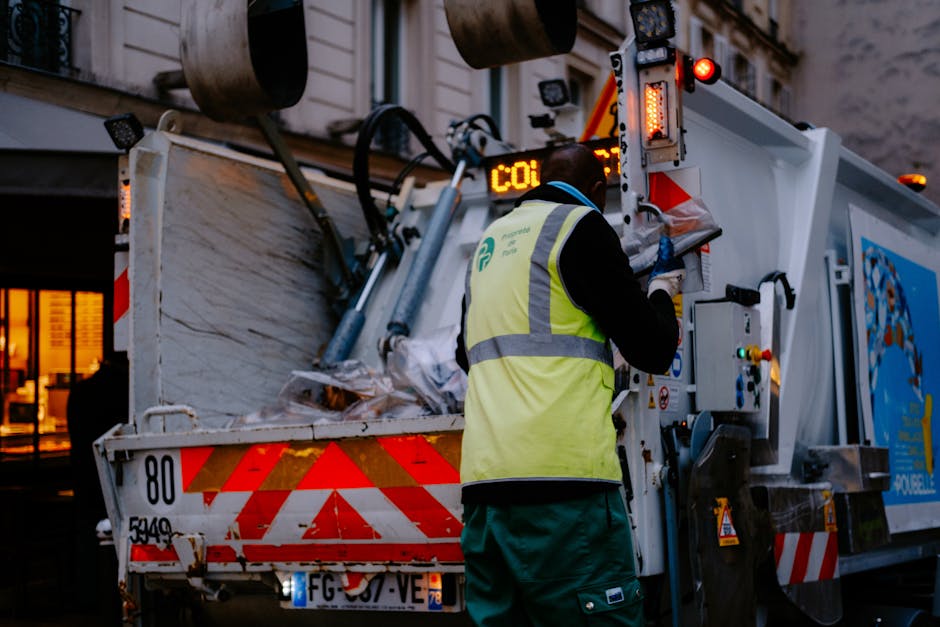
A waste collection worker wearing a high-visibility yellow vest with reflective strips and dark clothing is operating a large, white rubbish truck. The truck is equipped with mechanical lifting and lo

Trying to work out what rubbish removal should actually cost in the UK in 2026 can feel oddly slippery. One company quotes a quick price over the phone, another asks for photos, and a third says "it depends" in that very cheerful way that means nothing at all. If you want rubbish removal pricing explained properly, the real cost per job comes down to a few practical things: how much waste you have, what it is, how easy it is to load, and how quickly you need it gone.

This guide breaks the numbers down in plain English. We'll look at what drives the price, how job-based pricing usually works, where the hidden extras creep in, and how to compare quotes without getting caught out. We'll also cover when a council collection might suit you better, when private removal is worth the money, and what to check before anyone starts lifting a single bag. Truth be told, once you understand the pricing logic, the whole thing becomes a lot less mysterious.

If you are comparing quotes for a one-off clear-out, a flat clearance, or a bulky item pickup, this article will help you judge whether the price is fair, realistic, and suited to the job.

Why Rubbish removal pricing explained real cost per job UK 2026 Matters

Rubbish removal is one of those services where the final bill can move around a lot if the job is not described clearly. That matters because most people are not buying a product with a fixed label on it. They are buying time, labour, transport, disposal, and convenience all bundled together. Miss one of those pieces and the quote can jump fast.

Understanding the real cost per job helps you do three things well. First, it stops you comparing apples with oranges. A roadside pickup for a single mattress is not the same as a full garage clearance, even if both are called "rubbish removal". Second, it helps you spot vague pricing that sounds cheap up front but grows legs once the team arrives. Third, it lets you choose the right method for the waste you have, which can save you a surprising amount.

To be fair, most customers do not need a pricing textbook. They just need to know whether a quote is sensible. That is why the "per job" view is useful. It turns a confusing service into something you can measure against your own situation. And once you know what to ask, you will notice the better operators tend to answer quickly and plainly.

A good benchmark is simple: if a company can explain what is included, how volume is measured, whether heavy items cost more, and what happens if access is awkward, you are already in safer territory.

How Rubbish removal pricing explained real cost per job UK 2026 Works

Most rubbish removal pricing in the UK is built around a mix of volume, labour, vehicle capacity, disposal fees, and access. You might hear it described as per load, per cubic yard, per van load, or per job. Those labels are not always identical, which is where people get caught out.

In practical terms, the price usually reflects six things:

  • How much waste there is - more volume means more space in the vehicle and more time on site.
  • What type of waste it is - general mixed rubbish, bulky furniture, mattresses, white goods, garden waste, and builders' waste can all be priced differently.
  • How heavy it is - dense waste like rubble, soil, tiles, or wet timber often costs more than light household junk.
  • How easy it is to remove - stairs, long walks, no parking, or narrow access can add labour and time.
  • Where it goes - disposal and recycling costs vary depending on the load and the facility used.
  • Timing - same-day collection, evening work, or urgent bookings can change the price.

Some firms price by van load because it is easy for customers to picture. Others price by item, especially for furniture collection, sofa removal, mattress disposal, or white goods. Neither method is automatically better. What matters is whether the company explains the maths clearly enough for you to understand the final bill before the team arrives.

Here is the important bit: the cheapest quote is not always the cheapest job. If one company includes loading, labour, disposal, and recycling, while another only gives a base collection fee, the second quote can end up far more expensive. Not exactly a fun surprise when someone is standing in your hallway with a clipboard.

What "real cost per job" actually means

The real cost per job is the total amount you pay for the whole removal, not just the headline price. That includes the visible parts, like collection and loading, and the less visible parts, like disposal charges and congestion in the schedule. If you are clearing a few bulky items, the real cost per job might be very straightforward. For a full house clearance, it becomes more complex because labour, sorting, and disposal all scale up.

For example, a small job might be a single sofa, a mattress, and a couple of bags. A larger one might be a cluttered loft, a garden pile, and an old fridge. Those are different jobs even if they all look like "just rubbish" to the person at the front door.

Why the same job can get different quotes

Different firms have different overheads, routes, disposal arrangements, and service models. One business might be set up for quick urban collections in areas like London, while another focuses on larger clearances with two-person teams. A quote can also vary depending on whether the company takes a conservative estimate from photos or waits to inspect the load in person.

That is not automatically a red flag. It just means the question is not "Why are the quotes different?" but "What exactly is each quote including?" That's the useful bit.

Key Benefits and Practical Advantages

Understanding pricing gives you more control, and that usually translates into better value. You are less likely to overbook, less likely to under-specify the job, and less likely to pay for unnecessary labour. Small win, but a real one.

  • Better budgeting: You can plan the clean-out without guesswork.
  • Fewer hidden charges: You know which extras to ask about before collection day.
  • Faster decisions: It becomes easier to compare private removal with council options.
  • Less disruption: Clear pricing often means a smoother job on the day.
  • Better service matching: You can choose the right collection type for the waste, rather than overpaying for a service that is too large.

There is also a practical mental benefit. Clearing rubbish can already feel stressful, especially if it follows a move, a bereavement, a renovation, or a long-overdue declutter. When the price structure is clear, one layer of uncertainty drops away. And honestly, that can make the whole thing feel more manageable.

Another advantage is sustainability. If the company separates materials carefully, you may get better recycling outcomes than with an indiscriminate grab-and-go service. If sustainability matters to you, ask how the load is sorted and whether items such as furniture, white goods, and garden waste are directed to appropriate facilities. Services linked to recycling and sustainability are usually worth a closer look for that reason alone.

Who This Is For and When It Makes Sense

This guide is useful for anyone who has waste that is too bulky, too messy, or too much for the weekly bin. That includes homeowners, tenants, landlords, letting agents, small businesses, tradespeople, and anyone staring at a pile of "I'll sort that later" items in the corner of a room.

It often makes sense to use private rubbish removal when:

  • you need the waste gone quickly
  • the load is too large for a standard bin or refuse collection
  • you have heavy or awkward items
  • access is limited and you need a team to carry everything
  • you are clearing multiple item types at once
  • you want a single appointment rather than several trips to a tip

It is especially handy for items such as old sofas, wardrobes, beds, mattresses, fridges, office furniture, garden cuttings, shed contents, and mixed clutter from a loft or garage. If you are dealing with something specific like a sofa removal or mattress collection, item-based pricing can be clearer than a general load estimate.

For businesses, the logic is similar but the stakes are a bit different. A shop refit, office move, or builders' waste clearance may have a strict deadline. In those cases, the real cost is not just money; it is saved time, reduced disruption, and keeping the site clear for work to continue. A bit dull to say, but true.

Step-by-Step Guidance

If you want a fair quote, do not start with "How much do you charge?" Start with "What is included, and what exactly are you collecting?" That one shift tends to improve the answers immediately.

  1. List the waste clearly. Write down the items, rough quantity, and whether anything is especially heavy, awkward, or dirty.
  2. Take photos from different angles. A couple of wide shots are usually better than ten close-ups of one box. Include stairs, gates, narrow halls, or parking issues if they matter.
  3. Describe the access. Mention top floor flats, no lift, distance from the van, or restricted parking. Access is where many quotes change.
  4. Ask what is included. Labour, loading, disposal, recycling, and VAT if applicable should be clear before booking.
  5. Check how the company prices. Per job, per load, per item, or per volume all work differently. Make sure you understand the unit.
  6. Ask about excluded items. Some loads need separate handling, especially hazardous or specialist waste.
  7. Compare like with like. A slightly higher quote may be better if it includes all labour and disposal with no awkward extras later.
  8. Confirm timing and arrival window. A "morning" slot is not the same as a fixed 8:00am appointment, and people do get caught on that.

A realistic example: if you are clearing a two-bedroom flat and have one sofa, one wardrobe, a mattress, several bags, and a broken microwave, the best quote is usually the one based on a clear photo set and access notes. A price given from "roughly a small load" is too vague to trust.

If the company offers a service like flat clearance, that can be useful because it suggests they are used to stairs, compact spaces, and residential building access. That's not everything, but it helps.

Expert Tips for Better Results

After looking at a lot of quotes over the years, the same pattern shows up: the best value usually goes to the person who gives the clearest brief. Rubbish removal is operational work. The clearer the job, the more accurate the price.

  • Bundle the job where sensible. One visit for mixed items is often better value than several separate collections.
  • Separate anything you can. If recyclable metal, timber, or clean cardboard can be stacked neatly, the job is often easier to assess.
  • Be honest about weight. A load of wet garden waste or broken tiles is not the same as bags of clothing and packaging.
  • Ask if a photo quote is binding. Some are fixed if the description is accurate; others are only estimates.
  • Check parking realities early. In busy parts of town, the van's access can make or break the schedule.
  • Choose the right collection type. For one large item, a specialist item service can be better than a full clearance. For example, large item collection or bulky waste collection may suit better than a general load.

One slightly unglamorous tip: if you can open the path from the waste to the door before the team arrives, you often save time and reduce stress. That matters more than people think. No one wants to spend ten minutes moving the same shoe rack twice.

Also, ask what happens if the pile turns out bigger on the day. A fair operator should explain how any change would be priced before proceeding. That is a simple trust marker, and it saves arguments later.

Common Mistakes to Avoid

Most pricing problems come from vague assumptions. The phrase "it's just a few bits" has caused more pricing disputes than it should, frankly.

  • Not describing the load properly: "A few bags" can mean three bags or thirty.
  • Ignoring access issues: A fourth-floor walk-up costs more than a ground-floor pickup.
  • Comparing fixed prices to estimates: Those are not the same thing.
  • Forgetting specialist items: Mattresses, fridges, and heavy rubble can be priced differently.
  • Assuming council and private services work the same way: They do not.
  • Booking too late: Urgent jobs sometimes cost more simply because they disrupt the schedule.

Another common mistake is focusing only on the headline number. A low quote may exclude labour, or it may only cover a tiny amount of waste. If the job needs a second visit, the overall bill may end up higher than a more transparent quote from the start. The same goes for unclear minimum charges.

And yes, the old "we can take it away today if you decide now" tactic can be legitimate. But it should never be used to rush you past the details. If you feel hurried, slow it down. Pricing should stand up to a minute or two of proper explanation.

Tools, Resources and Recommendations

You do not need fancy software to price a rubbish removal job well. You just need a sensible method and a few practical tools.

  • Phone photos: Take clear pictures of the waste, access route, stairs, and nearby parking.
  • Simple room-by-room notes: Useful for home or house clearance jobs.
  • Item list: Write down sofas, beds, white goods, wardrobes, bags, boxes, or garden waste separately.
  • Rough volume estimate: Think in terms of small, medium, or large load if you are not sure about cubic measurements.
  • Access checklist: Lift available? Permit parking? Narrow hallway? Low ceiling in a loft?

For larger clear-outs, service pages can help you understand the right category before requesting a price. A few examples include home clearance, house clearance, garage clearance, loft clearance, and garden clearance. If your job is more trade-focused, builders waste clearance and business waste removal are more relevant starting points.

One practical recommendation: keep the job description short, but not too short. Three clear paragraphs and a few photos usually beat a giant essay with no useful detail. People in the trade are used to sorting things fast. Give them the right clues and you will get a better answer.

Law, Compliance, Standards, or Best Practice

When waste is being moved and disposed of, compliance matters. You do not need to become a waste-law specialist, but you should know the basics. A reputable rubbish removal provider should be able to explain how they handle waste responsibly, where appropriate, and how they reduce the risk of fly-tipping or improper disposal.

Best practice usually includes:

  • sorting recyclable materials where possible
  • using appropriate disposal routes for different waste types
  • handling heavy or hazardous items carefully
  • protecting property during removal
  • being clear about what can and cannot be collected

If you are comparing companies, it is sensible to look for pages that explain insurance and safety, health and safety policy, and payment and security. Those pages do not replace a proper conversation, of course, but they give useful confidence that the business takes the basics seriously.

For private householders, one key point is simple: never leave waste with someone who cannot explain what happens to it afterwards. You do not need a lecture. You just need a straight answer. If the answer is vague, walk away. Easy decision.

For specialist items, the handling expectations are different. A fridge, for example, should not be treated like ordinary mixed rubbish. Likewise, a mattress or sofa may have separate collection and disposal considerations. If a company offers fridge disposal, mattress disposal, or furniture disposal, that suggests a more structured service approach.

Options, Methods, or Comparison Table

The right option depends on speed, volume, convenience, and the type of rubbish. Here's a straightforward comparison that should help.

Option Best for Typical strengths Watch-outs
Private rubbish removal Mixed, bulky, urgent, or awkward jobs Fast, hands-off, one visit, labour included Prices vary by volume, access, and item type
Council collection Fewer bulky items, less urgency Can be cost-effective for small jobs May have waiting times, item limits, or booking restrictions
DIY tip run Small loads with easy transport Can save money if you have a vehicle and time Fuel, parking, queues, lifting, and multiple trips add up
Specialist item collection Single large items like sofas, beds, or appliances Clear pricing for one item or a small group Not always ideal for mixed loads

If your job is a single bulky item, services such as sofa collection, bed disposal, or mattress collection may be the neatest fit. For larger mixed waste, a full waste clearance or rubbish clearance service can make more sense.

The honest answer is that there is no single cheapest option for every situation. There is only the cheapest sensible option for your situation. That distinction matters.

Case Study or Real-World Example

Here is a realistic example based on a common type of booking. A family in a first-floor flat wants to clear out an old sofa, a broken wardrobe, one mattress, four black bags, and a few small items from a hallway cupboard. The building has a narrow stairwell, but parking is possible nearby for a short window in the morning.

At first glance, the job sounds small. But the access adds time, the wardrobe is awkward to break down, and the mattress and sofa both need handling carefully. A decent quote here would usually take into account:

  • one two-person team
  • moderate labour time
  • mixed bulky waste disposal
  • the stair carry
  • limited parking flexibility

Now compare that with a ground-floor collection where everything is already stacked at the door. Same items, very different job. That is why an apparently "higher" quote may actually be the fairer one.

In another common scenario, a homeowner clearing a garage may think they only have "a few bits". Then the pile gets measured properly and it includes old shelving, bags of broken tools, damp cardboard, paint tins that need separate consideration, and several heavy items tucked behind the bikes. The final price is not inflated; it is just more accurate than the rough mental estimate. We've all done that little under-estimate trick. Happens constantly.

If a company helps with a specific service like garage clearance or furniture clearance, that can make the quoting process smoother because the team already knows the kind of access and lifting involved.

Practical Checklist

Use this before you book anything. It keeps the conversation focused and usually leads to a more accurate quote.

  • Describe the waste clearly. List item types and quantities.
  • Tell them about access. Stairs, lifts, parking, and distance matter.
  • Share photos. Wide shots plus close-ups where needed.
  • Ask what the quote includes. Loading, labour, disposal, recycling, and VAT if relevant.
  • Check whether the price is fixed or estimated. That difference matters a lot.
  • Confirm timing. Same-day, next-day, or booked slots all have different implications.
  • Ask about specialist items. Mattresses, fridges, and rubble can affect pricing.
  • Make sure you know what happens if the load changes. Get that clear before the team arrives.
  • Review safety and insurance information. A few minutes here can save a headache later.
  • Choose the right type of service. One item, one room, or a full property each need different solutions.

And one more thing: if something about the quote feels too vague, it probably is. Trust that instinct a little. It is usually right.

Get a free quote today and see how much you can save.

Conclusion

Rubbish removal pricing in the UK for 2026 is not random, even if it can look that way at first. Once you understand the real cost per job, you can see the pattern: volume, weight, access, labour, disposal, and timing all shape the final figure. That is why a fair quote is less about finding the lowest number and more about finding the clearest one.

If you are comparing providers, focus on what is included, how the waste is measured, and whether the price reflects the actual job in front of you. A good service should feel straightforward, not mysterious. You want the waste gone, yes - but you also want the process to feel calm, tidy, and properly handled. That's the sweet spot.

And if you are still weighing up your options, take your time for a minute. Good decisions around rubbish removal usually come from clear information, not pressure. The right quote has a way of making itself obvious.

Frequently Asked Questions

How is rubbish removal usually priced in the UK?

It is often priced by load size, item type, labour needed, and disposal costs. Some firms use per-van-load pricing, while others quote per job or per item. The key is knowing exactly what the price includes.

What affects the real cost per job the most?

Volume, weight, access, and waste type are usually the biggest factors. A small pile at ground level is a very different job from a bulky loft clearance on a narrow staircase.

Why do two rubbish removal quotes look so different?

One quote may include labour, disposal, and recycling while another only covers collection. Different teams also have different overheads and access assumptions. Always compare like with like.

Is council waste collection cheaper than private rubbish removal?

Sometimes, yes, especially for small or simple collections. But council services can involve waiting times, booking limits, or item restrictions. Private removal is often better for speed, larger loads, or awkward access.

Do stairs and no parking really change the price?

Yes. Extra carrying time, harder access, and longer loading all add labour. In busy streets or flats, access can make a noticeable difference to the quote.

Are mattress and sofa removals priced differently from general rubbish?

Often they are. Some items need separate handling or specific disposal routes. A specialist collection can sometimes be more accurate than a general rubbish quote.

Can I get a fixed quote from photos?

Often, yes, if the photos are clear and the description is honest. Good photos of the waste and the access route help the company price the job more accurately.

What should a rubbish removal quote include?

Ideally it should include labour, loading, transport, disposal, and recycling where relevant. If VAT, parking charges, or specialist item handling apply, those should be explained too.

What is the cheapest way to get rid of rubbish?

For small loads, a council collection or DIY tip run may be cheaper. For bulky, heavy, or urgent waste, private removal may be better value once time and effort are considered.

How do I avoid hidden charges?

Describe the job clearly, share photos, ask what is included, and confirm any extras before booking. If a quote sounds vague, ask for the specific assumptions behind it.

What if the pile is bigger on the day?

A reputable provider should explain how any extra waste would be priced before they continue. Never assume the quote automatically covers a larger load unless that is stated clearly.

Is rubbish removal safe and compliant?

It should be, provided the company follows proper handling, disposal, and safety practices. Look for clear information on insurance, safety, and how waste is processed after collection.

When is private rubbish removal worth it?

It is usually worth it when you want speed, convenience, proper lifting, or a one-visit solution. It is especially useful for flat clearances, bulky items, garden waste, and mixed loads that would take too long to manage yourself.

A waste collection worker wearing a high-visibility yellow vest with reflective strips and dark clothing is operating a large, white rubbish truck. The truck is equipped with mechanical lifting and lo


Call Now!
Garden Clearance

Rubbish removal pricing explained real cost per job UK 2026

A waste collection worker wearing a high-visibility yellow vest with reflective strips and dark clothing is operating a large, white rubbish truck. The truck is equipped with mechanical lifting and lo

Trying to work out what rubbish removal should actually cost in the UK in 2026 can feel oddly slippery. One company quotes a quick price over the phone, another asks for photos, and a third says "it depends" in that very cheerful way that means nothing at all. If you want rubbish removal pricing explained properly, the real cost per job comes down to a few practical things: how much waste you have, what it is, how easy it is to load, and how quickly you need it gone.

This guide breaks the numbers down in plain English. We'll look at what drives the price, how job-based pricing usually works, where the hidden extras creep in, and how to compare quotes without getting caught out. We'll also cover when a council collection might suit you better, when private removal is worth the money, and what to check before anyone starts lifting a single bag. Truth be told, once you understand the pricing logic, the whole thing becomes a lot less mysterious.

If you are comparing quotes for a one-off clear-out, a flat clearance, or a bulky item pickup, this article will help you judge whether the price is fair, realistic, and suited to the job.

Why Rubbish removal pricing explained real cost per job UK 2026 Matters

Rubbish removal is one of those services where the final bill can move around a lot if the job is not described clearly. That matters because most people are not buying a product with a fixed label on it. They are buying time, labour, transport, disposal, and convenience all bundled together. Miss one of those pieces and the quote can jump fast.

Understanding the real cost per job helps you do three things well. First, it stops you comparing apples with oranges. A roadside pickup for a single mattress is not the same as a full garage clearance, even if both are called "rubbish removal". Second, it helps you spot vague pricing that sounds cheap up front but grows legs once the team arrives. Third, it lets you choose the right method for the waste you have, which can save you a surprising amount.

To be fair, most customers do not need a pricing textbook. They just need to know whether a quote is sensible. That is why the "per job" view is useful. It turns a confusing service into something you can measure against your own situation. And once you know what to ask, you will notice the better operators tend to answer quickly and plainly.

A good benchmark is simple: if a company can explain what is included, how volume is measured, whether heavy items cost more, and what happens if access is awkward, you are already in safer territory.

How Rubbish removal pricing explained real cost per job UK 2026 Works

Most rubbish removal pricing in the UK is built around a mix of volume, labour, vehicle capacity, disposal fees, and access. You might hear it described as per load, per cubic yard, per van load, or per job. Those labels are not always identical, which is where people get caught out.

In practical terms, the price usually reflects six things:

  • How much waste there is - more volume means more space in the vehicle and more time on site.
  • What type of waste it is - general mixed rubbish, bulky furniture, mattresses, white goods, garden waste, and builders' waste can all be priced differently.
  • How heavy it is - dense waste like rubble, soil, tiles, or wet timber often costs more than light household junk.
  • How easy it is to remove - stairs, long walks, no parking, or narrow access can add labour and time.
  • Where it goes - disposal and recycling costs vary depending on the load and the facility used.
  • Timing - same-day collection, evening work, or urgent bookings can change the price.

Some firms price by van load because it is easy for customers to picture. Others price by item, especially for furniture collection, sofa removal, mattress disposal, or white goods. Neither method is automatically better. What matters is whether the company explains the maths clearly enough for you to understand the final bill before the team arrives.

Here is the important bit: the cheapest quote is not always the cheapest job. If one company includes loading, labour, disposal, and recycling, while another only gives a base collection fee, the second quote can end up far more expensive. Not exactly a fun surprise when someone is standing in your hallway with a clipboard.

What "real cost per job" actually means

The real cost per job is the total amount you pay for the whole removal, not just the headline price. That includes the visible parts, like collection and loading, and the less visible parts, like disposal charges and congestion in the schedule. If you are clearing a few bulky items, the real cost per job might be very straightforward. For a full house clearance, it becomes more complex because labour, sorting, and disposal all scale up.

For example, a small job might be a single sofa, a mattress, and a couple of bags. A larger one might be a cluttered loft, a garden pile, and an old fridge. Those are different jobs even if they all look like "just rubbish" to the person at the front door.

Why the same job can get different quotes

Different firms have different overheads, routes, disposal arrangements, and service models. One business might be set up for quick urban collections in areas like London, while another focuses on larger clearances with two-person teams. A quote can also vary depending on whether the company takes a conservative estimate from photos or waits to inspect the load in person.

That is not automatically a red flag. It just means the question is not "Why are the quotes different?" but "What exactly is each quote including?" That's the useful bit.

Key Benefits and Practical Advantages

Understanding pricing gives you more control, and that usually translates into better value. You are less likely to overbook, less likely to under-specify the job, and less likely to pay for unnecessary labour. Small win, but a real one.

  • Better budgeting: You can plan the clean-out without guesswork.
  • Fewer hidden charges: You know which extras to ask about before collection day.
  • Faster decisions: It becomes easier to compare private removal with council options.
  • Less disruption: Clear pricing often means a smoother job on the day.
  • Better service matching: You can choose the right collection type for the waste, rather than overpaying for a service that is too large.

There is also a practical mental benefit. Clearing rubbish can already feel stressful, especially if it follows a move, a bereavement, a renovation, or a long-overdue declutter. When the price structure is clear, one layer of uncertainty drops away. And honestly, that can make the whole thing feel more manageable.

Another advantage is sustainability. If the company separates materials carefully, you may get better recycling outcomes than with an indiscriminate grab-and-go service. If sustainability matters to you, ask how the load is sorted and whether items such as furniture, white goods, and garden waste are directed to appropriate facilities. Services linked to recycling and sustainability are usually worth a closer look for that reason alone.

Who This Is For and When It Makes Sense

This guide is useful for anyone who has waste that is too bulky, too messy, or too much for the weekly bin. That includes homeowners, tenants, landlords, letting agents, small businesses, tradespeople, and anyone staring at a pile of "I'll sort that later" items in the corner of a room.

It often makes sense to use private rubbish removal when:

  • you need the waste gone quickly
  • the load is too large for a standard bin or refuse collection
  • you have heavy or awkward items
  • access is limited and you need a team to carry everything
  • you are clearing multiple item types at once
  • you want a single appointment rather than several trips to a tip

It is especially handy for items such as old sofas, wardrobes, beds, mattresses, fridges, office furniture, garden cuttings, shed contents, and mixed clutter from a loft or garage. If you are dealing with something specific like a sofa removal or mattress collection, item-based pricing can be clearer than a general load estimate.

For businesses, the logic is similar but the stakes are a bit different. A shop refit, office move, or builders' waste clearance may have a strict deadline. In those cases, the real cost is not just money; it is saved time, reduced disruption, and keeping the site clear for work to continue. A bit dull to say, but true.

Step-by-Step Guidance

If you want a fair quote, do not start with "How much do you charge?" Start with "What is included, and what exactly are you collecting?" That one shift tends to improve the answers immediately.

  1. List the waste clearly. Write down the items, rough quantity, and whether anything is especially heavy, awkward, or dirty.
  2. Take photos from different angles. A couple of wide shots are usually better than ten close-ups of one box. Include stairs, gates, narrow halls, or parking issues if they matter.
  3. Describe the access. Mention top floor flats, no lift, distance from the van, or restricted parking. Access is where many quotes change.
  4. Ask what is included. Labour, loading, disposal, recycling, and VAT if applicable should be clear before booking.
  5. Check how the company prices. Per job, per load, per item, or per volume all work differently. Make sure you understand the unit.
  6. Ask about excluded items. Some loads need separate handling, especially hazardous or specialist waste.
  7. Compare like with like. A slightly higher quote may be better if it includes all labour and disposal with no awkward extras later.
  8. Confirm timing and arrival window. A "morning" slot is not the same as a fixed 8:00am appointment, and people do get caught on that.

A realistic example: if you are clearing a two-bedroom flat and have one sofa, one wardrobe, a mattress, several bags, and a broken microwave, the best quote is usually the one based on a clear photo set and access notes. A price given from "roughly a small load" is too vague to trust.

If the company offers a service like flat clearance, that can be useful because it suggests they are used to stairs, compact spaces, and residential building access. That's not everything, but it helps.

Expert Tips for Better Results

After looking at a lot of quotes over the years, the same pattern shows up: the best value usually goes to the person who gives the clearest brief. Rubbish removal is operational work. The clearer the job, the more accurate the price.

  • Bundle the job where sensible. One visit for mixed items is often better value than several separate collections.
  • Separate anything you can. If recyclable metal, timber, or clean cardboard can be stacked neatly, the job is often easier to assess.
  • Be honest about weight. A load of wet garden waste or broken tiles is not the same as bags of clothing and packaging.
  • Ask if a photo quote is binding. Some are fixed if the description is accurate; others are only estimates.
  • Check parking realities early. In busy parts of town, the van's access can make or break the schedule.
  • Choose the right collection type. For one large item, a specialist item service can be better than a full clearance. For example, large item collection or bulky waste collection may suit better than a general load.

One slightly unglamorous tip: if you can open the path from the waste to the door before the team arrives, you often save time and reduce stress. That matters more than people think. No one wants to spend ten minutes moving the same shoe rack twice.

Also, ask what happens if the pile turns out bigger on the day. A fair operator should explain how any change would be priced before proceeding. That is a simple trust marker, and it saves arguments later.

Common Mistakes to Avoid

Most pricing problems come from vague assumptions. The phrase "it's just a few bits" has caused more pricing disputes than it should, frankly.

  • Not describing the load properly: "A few bags" can mean three bags or thirty.
  • Ignoring access issues: A fourth-floor walk-up costs more than a ground-floor pickup.
  • Comparing fixed prices to estimates: Those are not the same thing.
  • Forgetting specialist items: Mattresses, fridges, and heavy rubble can be priced differently.
  • Assuming council and private services work the same way: They do not.
  • Booking too late: Urgent jobs sometimes cost more simply because they disrupt the schedule.

Another common mistake is focusing only on the headline number. A low quote may exclude labour, or it may only cover a tiny amount of waste. If the job needs a second visit, the overall bill may end up higher than a more transparent quote from the start. The same goes for unclear minimum charges.

And yes, the old "we can take it away today if you decide now" tactic can be legitimate. But it should never be used to rush you past the details. If you feel hurried, slow it down. Pricing should stand up to a minute or two of proper explanation.

Tools, Resources and Recommendations

You do not need fancy software to price a rubbish removal job well. You just need a sensible method and a few practical tools.

  • Phone photos: Take clear pictures of the waste, access route, stairs, and nearby parking.
  • Simple room-by-room notes: Useful for home or house clearance jobs.
  • Item list: Write down sofas, beds, white goods, wardrobes, bags, boxes, or garden waste separately.
  • Rough volume estimate: Think in terms of small, medium, or large load if you are not sure about cubic measurements.
  • Access checklist: Lift available? Permit parking? Narrow hallway? Low ceiling in a loft?

For larger clear-outs, service pages can help you understand the right category before requesting a price. A few examples include home clearance, house clearance, garage clearance, loft clearance, and garden clearance. If your job is more trade-focused, builders waste clearance and business waste removal are more relevant starting points.

One practical recommendation: keep the job description short, but not too short. Three clear paragraphs and a few photos usually beat a giant essay with no useful detail. People in the trade are used to sorting things fast. Give them the right clues and you will get a better answer.

Law, Compliance, Standards, or Best Practice

When waste is being moved and disposed of, compliance matters. You do not need to become a waste-law specialist, but you should know the basics. A reputable rubbish removal provider should be able to explain how they handle waste responsibly, where appropriate, and how they reduce the risk of fly-tipping or improper disposal.

Best practice usually includes:

  • sorting recyclable materials where possible
  • using appropriate disposal routes for different waste types
  • handling heavy or hazardous items carefully
  • protecting property during removal
  • being clear about what can and cannot be collected

If you are comparing companies, it is sensible to look for pages that explain insurance and safety, health and safety policy, and payment and security. Those pages do not replace a proper conversation, of course, but they give useful confidence that the business takes the basics seriously.

For private householders, one key point is simple: never leave waste with someone who cannot explain what happens to it afterwards. You do not need a lecture. You just need a straight answer. If the answer is vague, walk away. Easy decision.

For specialist items, the handling expectations are different. A fridge, for example, should not be treated like ordinary mixed rubbish. Likewise, a mattress or sofa may have separate collection and disposal considerations. If a company offers fridge disposal, mattress disposal, or furniture disposal, that suggests a more structured service approach.

Options, Methods, or Comparison Table

The right option depends on speed, volume, convenience, and the type of rubbish. Here's a straightforward comparison that should help.

Option Best for Typical strengths Watch-outs
Private rubbish removal Mixed, bulky, urgent, or awkward jobs Fast, hands-off, one visit, labour included Prices vary by volume, access, and item type
Council collection Fewer bulky items, less urgency Can be cost-effective for small jobs May have waiting times, item limits, or booking restrictions
DIY tip run Small loads with easy transport Can save money if you have a vehicle and time Fuel, parking, queues, lifting, and multiple trips add up
Specialist item collection Single large items like sofas, beds, or appliances Clear pricing for one item or a small group Not always ideal for mixed loads

If your job is a single bulky item, services such as sofa collection, bed disposal, or mattress collection may be the neatest fit. For larger mixed waste, a full waste clearance or rubbish clearance service can make more sense.

The honest answer is that there is no single cheapest option for every situation. There is only the cheapest sensible option for your situation. That distinction matters.

Case Study or Real-World Example

Here is a realistic example based on a common type of booking. A family in a first-floor flat wants to clear out an old sofa, a broken wardrobe, one mattress, four black bags, and a few small items from a hallway cupboard. The building has a narrow stairwell, but parking is possible nearby for a short window in the morning.

At first glance, the job sounds small. But the access adds time, the wardrobe is awkward to break down, and the mattress and sofa both need handling carefully. A decent quote here would usually take into account:

  • one two-person team
  • moderate labour time
  • mixed bulky waste disposal
  • the stair carry
  • limited parking flexibility

Now compare that with a ground-floor collection where everything is already stacked at the door. Same items, very different job. That is why an apparently "higher" quote may actually be the fairer one.

In another common scenario, a homeowner clearing a garage may think they only have "a few bits". Then the pile gets measured properly and it includes old shelving, bags of broken tools, damp cardboard, paint tins that need separate consideration, and several heavy items tucked behind the bikes. The final price is not inflated; it is just more accurate than the rough mental estimate. We've all done that little under-estimate trick. Happens constantly.

If a company helps with a specific service like garage clearance or furniture clearance, that can make the quoting process smoother because the team already knows the kind of access and lifting involved.

Practical Checklist

Use this before you book anything. It keeps the conversation focused and usually leads to a more accurate quote.

  • Describe the waste clearly. List item types and quantities.
  • Tell them about access. Stairs, lifts, parking, and distance matter.
  • Share photos. Wide shots plus close-ups where needed.
  • Ask what the quote includes. Loading, labour, disposal, recycling, and VAT if relevant.
  • Check whether the price is fixed or estimated. That difference matters a lot.
  • Confirm timing. Same-day, next-day, or booked slots all have different implications.
  • Ask about specialist items. Mattresses, fridges, and rubble can affect pricing.
  • Make sure you know what happens if the load changes. Get that clear before the team arrives.
  • Review safety and insurance information. A few minutes here can save a headache later.
  • Choose the right type of service. One item, one room, or a full property each need different solutions.

And one more thing: if something about the quote feels too vague, it probably is. Trust that instinct a little. It is usually right.

Get a free quote today and see how much you can save.

Conclusion

Rubbish removal pricing in the UK for 2026 is not random, even if it can look that way at first. Once you understand the real cost per job, you can see the pattern: volume, weight, access, labour, disposal, and timing all shape the final figure. That is why a fair quote is less about finding the lowest number and more about finding the clearest one.

If you are comparing providers, focus on what is included, how the waste is measured, and whether the price reflects the actual job in front of you. A good service should feel straightforward, not mysterious. You want the waste gone, yes - but you also want the process to feel calm, tidy, and properly handled. That's the sweet spot.

And if you are still weighing up your options, take your time for a minute. Good decisions around rubbish removal usually come from clear information, not pressure. The right quote has a way of making itself obvious.

Frequently Asked Questions

How is rubbish removal usually priced in the UK?

It is often priced by load size, item type, labour needed, and disposal costs. Some firms use per-van-load pricing, while others quote per job or per item. The key is knowing exactly what the price includes.

What affects the real cost per job the most?

Volume, weight, access, and waste type are usually the biggest factors. A small pile at ground level is a very different job from a bulky loft clearance on a narrow staircase.

Why do two rubbish removal quotes look so different?

One quote may include labour, disposal, and recycling while another only covers collection. Different teams also have different overheads and access assumptions. Always compare like with like.

Is council waste collection cheaper than private rubbish removal?

Sometimes, yes, especially for small or simple collections. But council services can involve waiting times, booking limits, or item restrictions. Private removal is often better for speed, larger loads, or awkward access.

Do stairs and no parking really change the price?

Yes. Extra carrying time, harder access, and longer loading all add labour. In busy streets or flats, access can make a noticeable difference to the quote.

Are mattress and sofa removals priced differently from general rubbish?

Often they are. Some items need separate handling or specific disposal routes. A specialist collection can sometimes be more accurate than a general rubbish quote.

Can I get a fixed quote from photos?

Often, yes, if the photos are clear and the description is honest. Good photos of the waste and the access route help the company price the job more accurately.

What should a rubbish removal quote include?

Ideally it should include labour, loading, transport, disposal, and recycling where relevant. If VAT, parking charges, or specialist item handling apply, those should be explained too.

What is the cheapest way to get rid of rubbish?

For small loads, a council collection or DIY tip run may be cheaper. For bulky, heavy, or urgent waste, private removal may be better value once time and effort are considered.

How do I avoid hidden charges?

Describe the job clearly, share photos, ask what is included, and confirm any extras before booking. If a quote sounds vague, ask for the specific assumptions behind it.

What if the pile is bigger on the day?

A reputable provider should explain how any extra waste would be priced before they continue. Never assume the quote automatically covers a larger load unless that is stated clearly.

Is rubbish removal safe and compliant?

It should be, provided the company follows proper handling, disposal, and safety practices. Look for clear information on insurance, safety, and how waste is processed after collection.

When is private rubbish removal worth it?

It is usually worth it when you want speed, convenience, proper lifting, or a one-visit solution. It is especially useful for flat clearances, bulky items, garden waste, and mixed loads that would take too long to manage yourself.

A waste collection worker wearing a high-visibility yellow vest with reflective strips and dark clothing is operating a large, white rubbish truck. The truck is equipped with mechanical lifting and lo


Get In Touch With Us.

Please fill out the form and we will get back to you as soon as possible.